



- Strategy brief
- 2 moodboards
- 2 logo concepts · 2 revisions
- Primary & secondary logo
- Color & type system
- Web usage guidelines
- brand.md & every file format
branding timing
The earlier you get your branding right, the better.
A brand you keep gains value every year. A wrong one gets more expensive to replace every year.
A startup should invest in branding as early as it can afford to do it properly, ideally before launch.
Start with the brand you'll keep for years, and it gains value over time. Start with the wrong one, and every month makes it more expensive to replace.
If the budget really isn't there yet, build the product first. Just know that waiting has a cost, and it grows.
Why earlier is better
A brand compounds. When you start with the one you'll keep, every post, every launch and every customer adds to it.
After that, it's mostly small adjustments. The brand evolves, the foundation stays, and your users never get confused about who you are.
Start with the wrong one and the opposite happens. The longer it's out there, the more it costs to change.
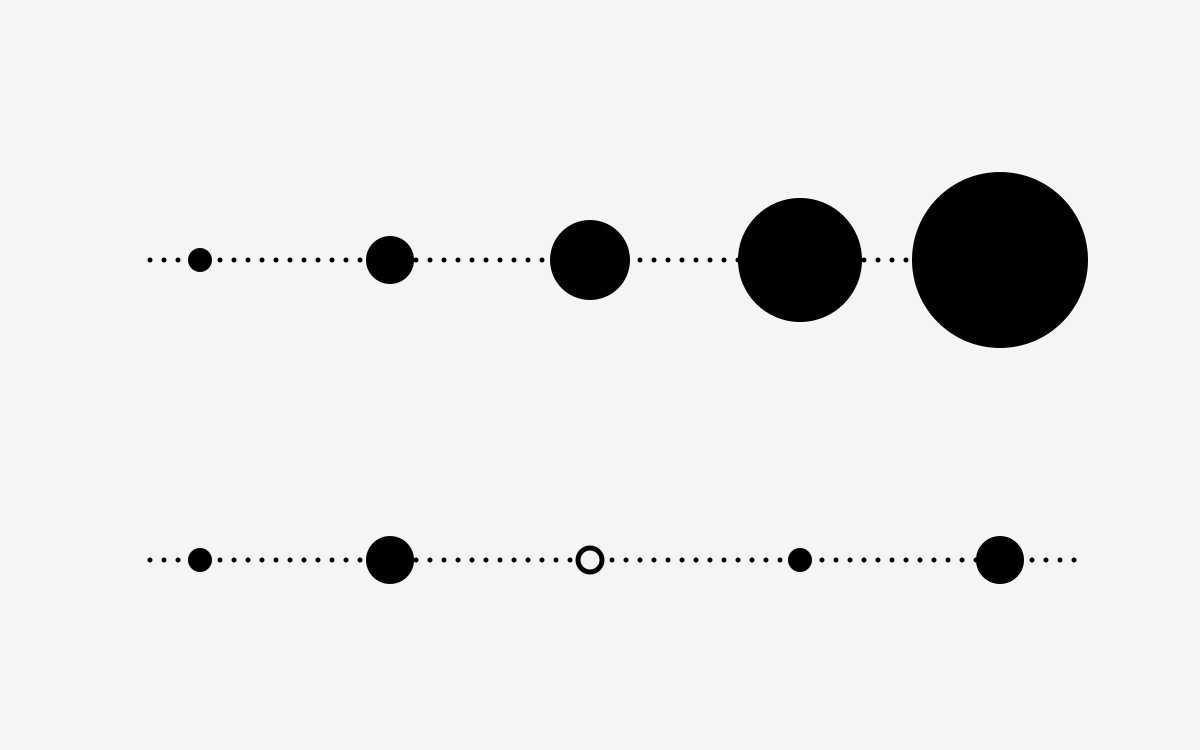
People are judging it from day one
Investors and buyers size you up fast: research on first impressions found people form a stable opinion of visual design in about 50 milliseconds, and the Nielsen Norman Group ties that snap reaction to whether you read as credible.
Once you're in front of that judgment, a placeholder is working against you.
If you haven't done it yet, these are your deadlines
| Signal | Why it matters |
|---|---|
| You're about to fundraise | Investors size you up in seconds, before the deck opens. |
| You're about to launch publicly | Once people see it, it's what they remember. |
| You're hiring past just the founders | Every new person needs something real to point to. |
| You're starting enterprise conversations | Buyers and security reviews read polish as maturity. |
| Your placeholder is showing up everywhere | Once it's on docs, profiles, and business cards, changing it means touching everywhere. |
Why redoing costs more than doing it once
By the time you rebrand, the old logo is on your site, your app, your socials, your decks, and every marketing channel you've tried. All of it has to change.
The new logo is the smaller cost. The bigger one is everything it already touched.
Then there's the impression. Your users already have a picture of you in their heads. Changing that picture is harder than creating the right one from the start, as a new brand.
Run your own numbers with the rebrand cost calculator.
The actual decision
If you can afford to do it properly now, do it now. If you can't, build the product, and do it before you hit any of the deadlines above.
If you're past it, see what's worth budgeting for a proper identity, what's actually included in a full package, or start now. Weighing AI-generated over hiring someone? See AI logo generator vs. a real designer.
"Working with Sofiane was an amazing experience. He did everything from helping us understand what we wanted from our brand identity, translating it into broader suggestions, narrowing down to one, and in the end was tweaking the last micro details in the end product.
He listened patiently to our feedback and incorporated the good, and also pushed back kindly when he disagreed, perfect balance.
The deliverable itself was super professional with own brand portal and everything you could ask for, including guidelines to AI agents on how to use the brand, fonts, etc.
Overall, very strong and very well designed process, with a great end-result. Exceptional value for money, and a result that perfectly captured what we wanted to do with the brand.
Will continue to work with him whenever possible."
 Doppia
"I hired Sofiane for my web app, he did an amazing job with the branding, I love that he understood the whole scope and adapted to my needs"
 mykeep
"I came for a logo but ended up with brand assets too. I had a few ideas in mind, and Sof did those, but also created a direction that was super fun and fit me very well, even I didn’t know I needed that. Recommended!"
 Branded Words
"Sofiane put a ton of care and effort into helping me rebrand my design studio. He was generous with his time, open to feedback, and genuinely invested in helping me find the right direction. His creative insight and advice gave me a much clearer vision for the brand. I’d recommend him to anyone looking for a thoughtful, dedicated designer who cares about their business."
 oath.design
Branded WordsBrand Identity, Motion
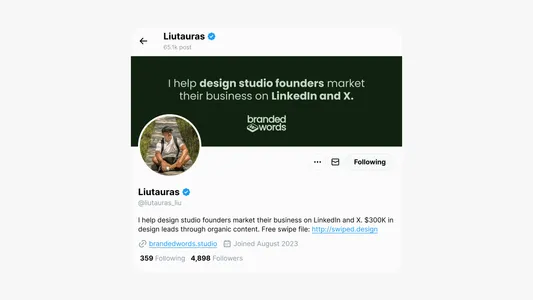
Branded Words
Brand identity · Content marketing for design studios
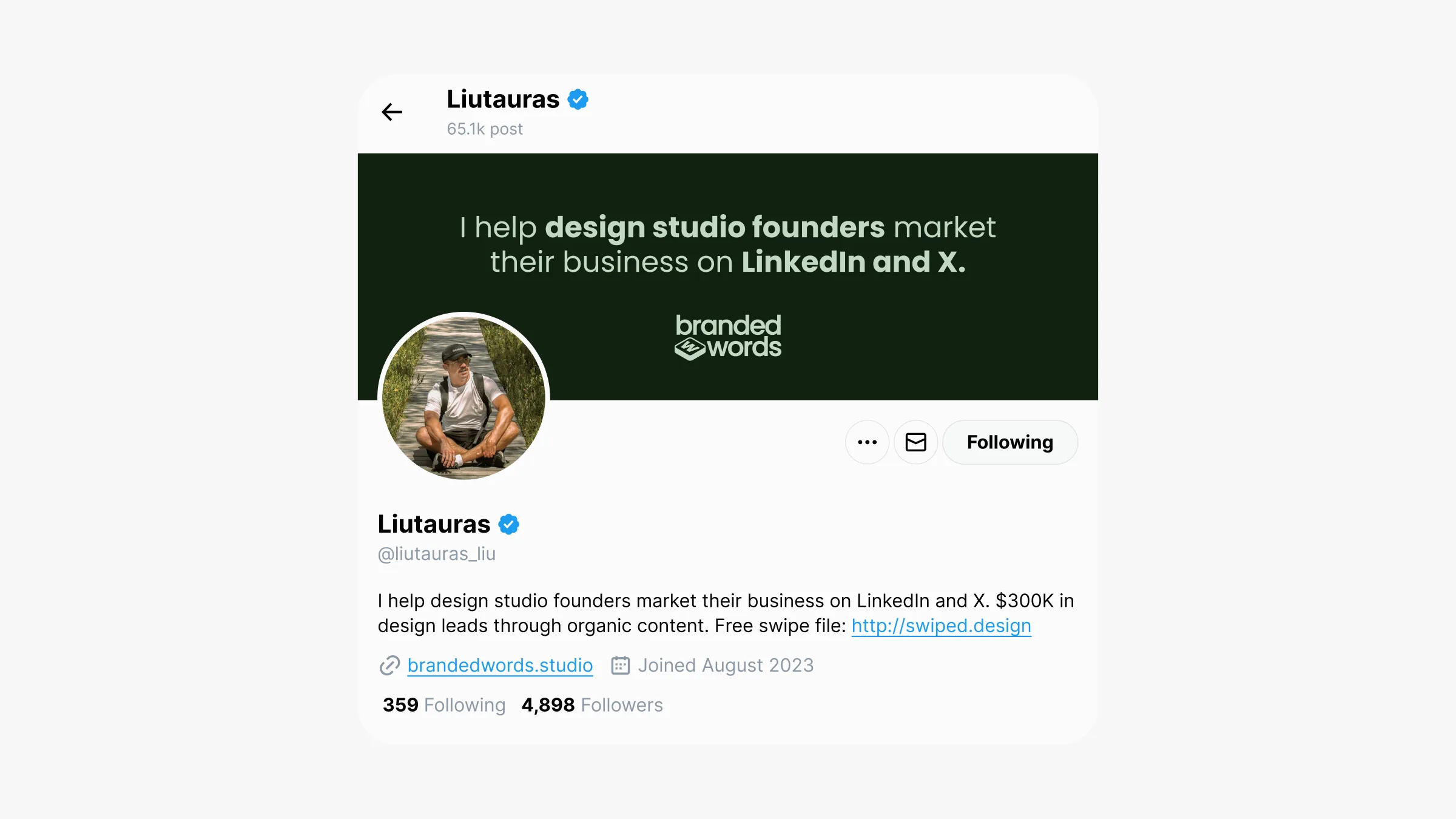
Branded Words turns what design studio founders know and do into X and LinkedIn posts that bring them clients. I’d known Liutauras, who runs it, for a while before we worked together.
The first directions were solid but too serious, and they didn’t sound like him. So I went back to the Collect and Locate steps and found what was missing: he knows how to mix serious work with a good joke.
The final brand stays professional, with his sense of fun built in, and since then his own clients have started complimenting it.
 cachetBrand Identity, Motion, UI Elements
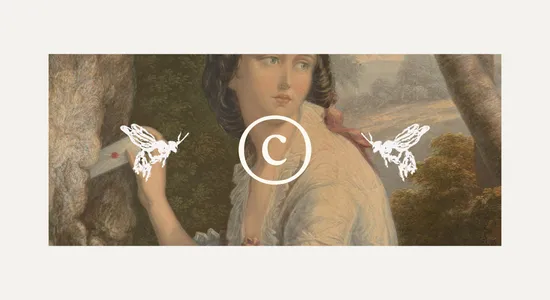
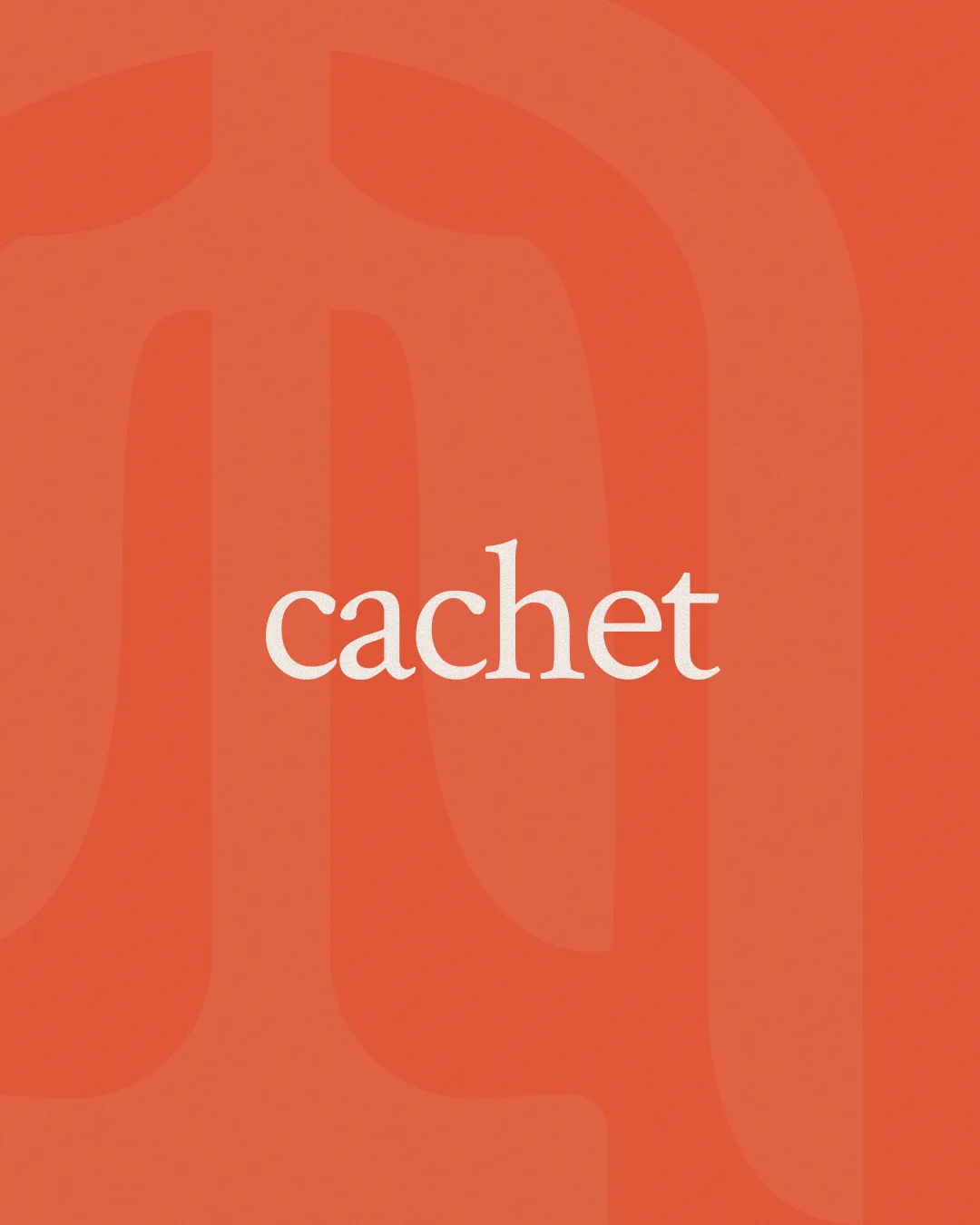
cachet
Brand identity · Sealed, verifiable agreements
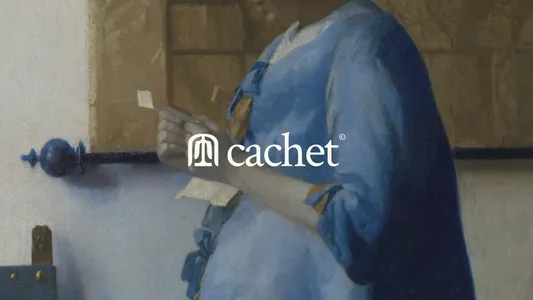
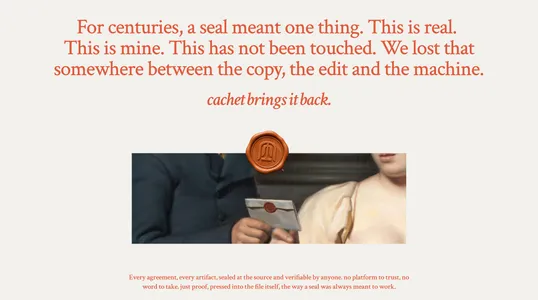
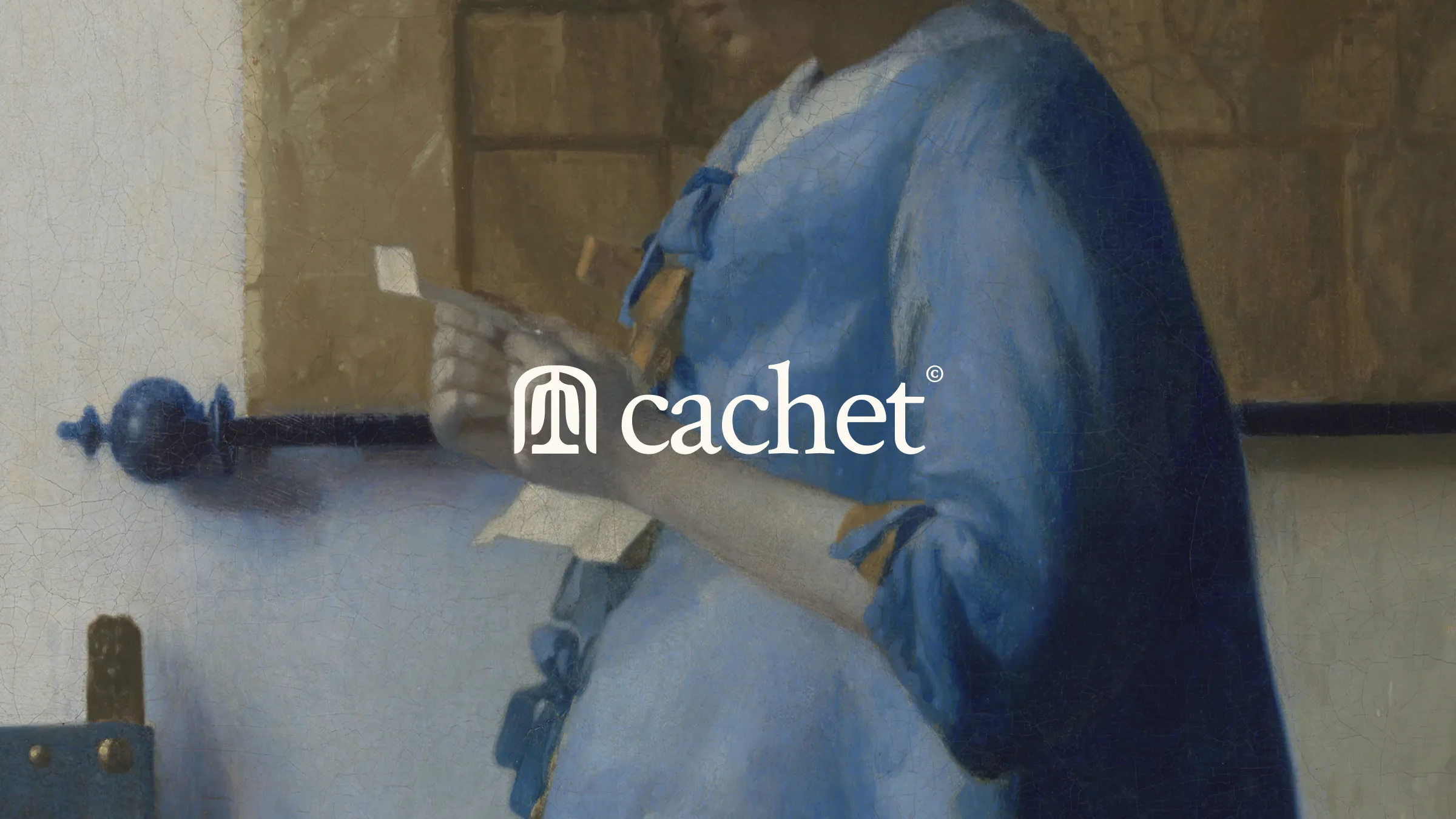
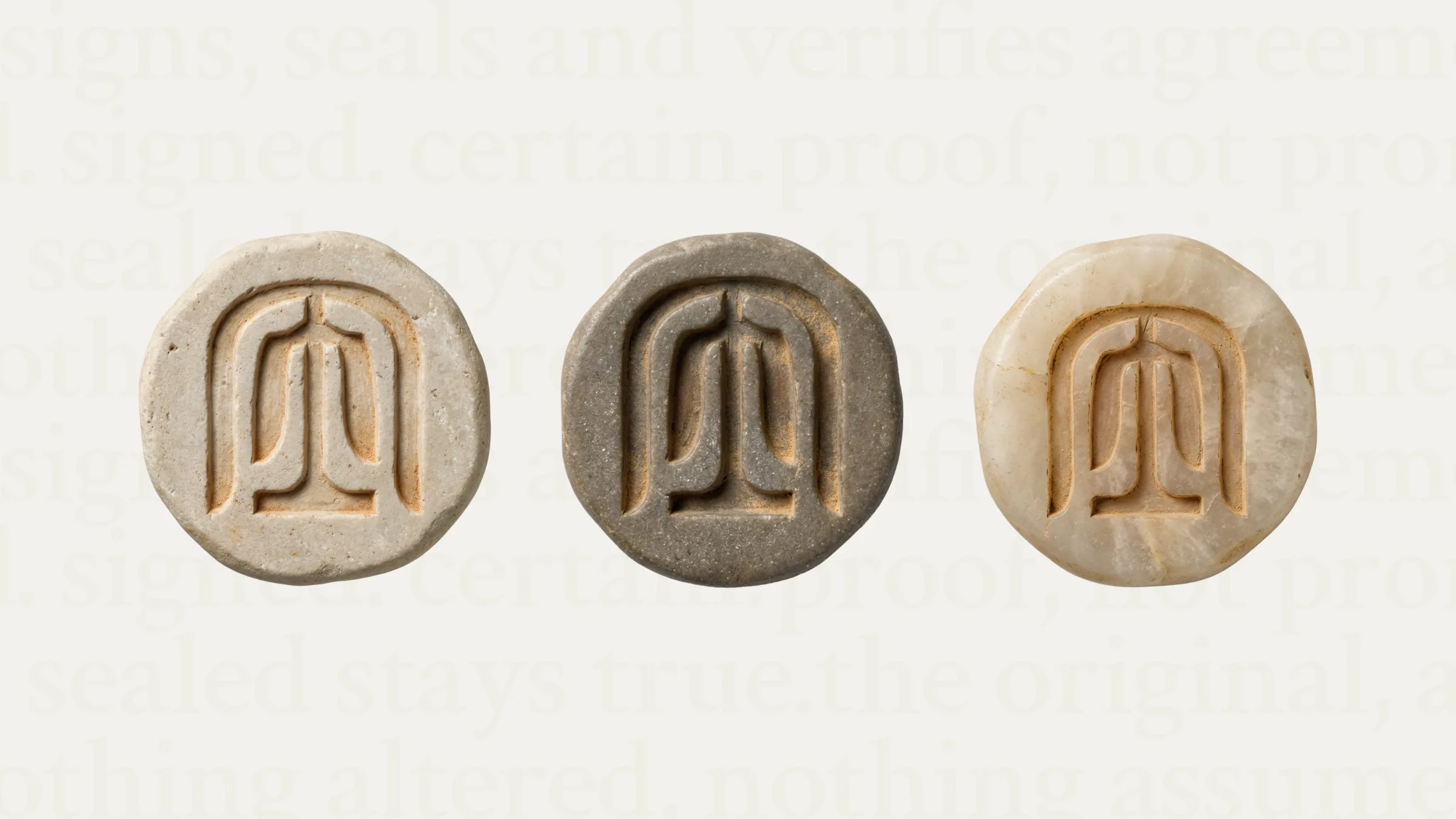
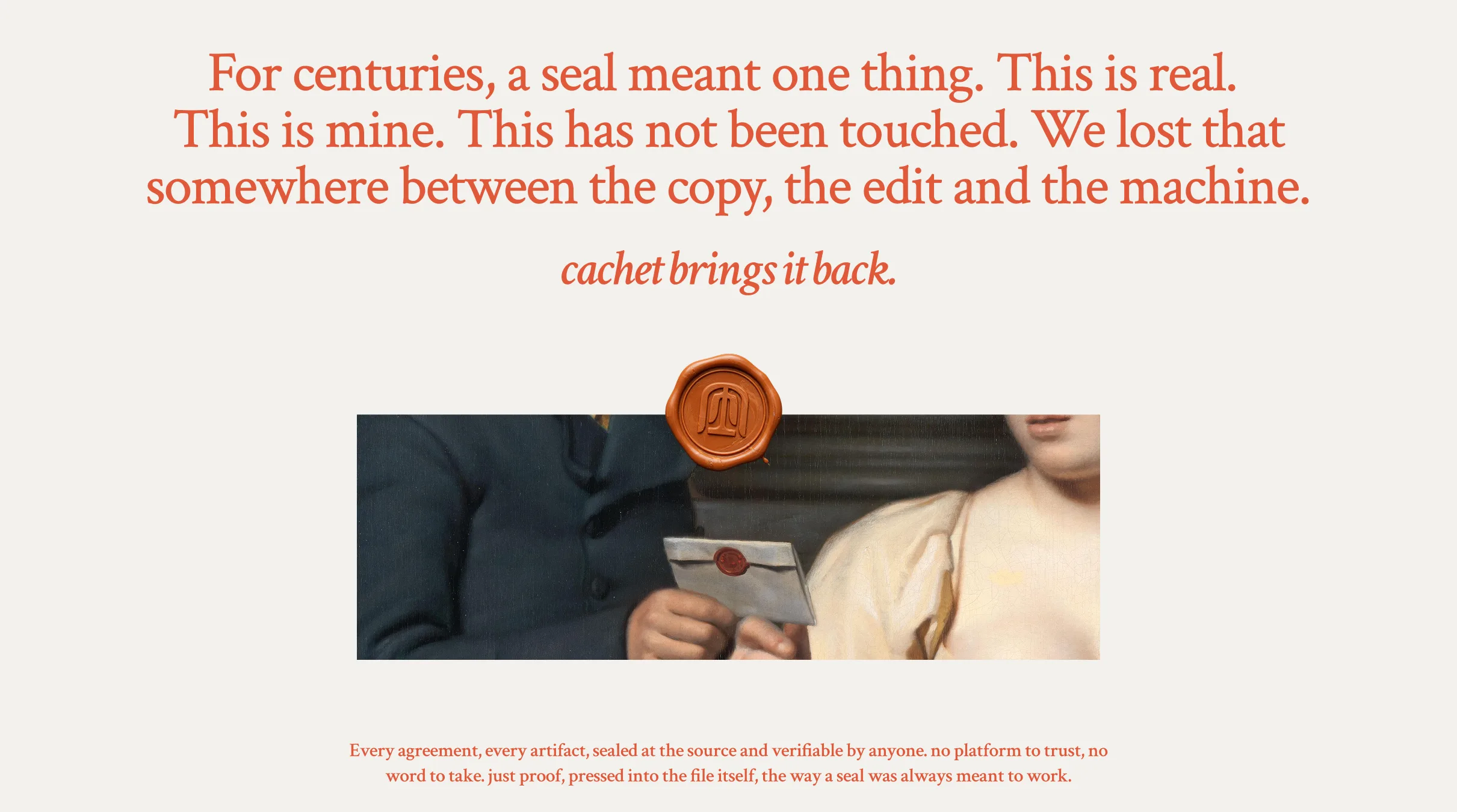
cachet proves a shared file hasn’t been touched since it was delivered, and if it has, it shows exactly what was edited.
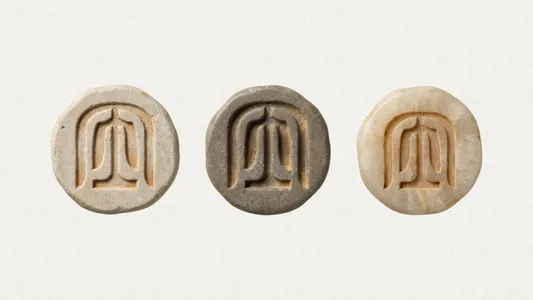
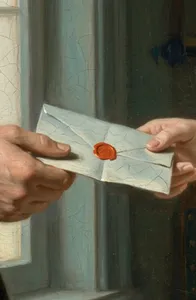
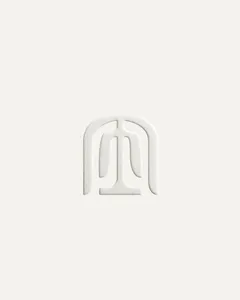
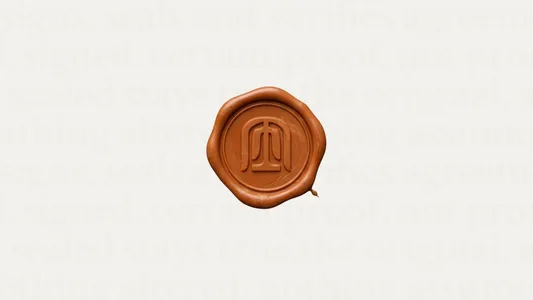
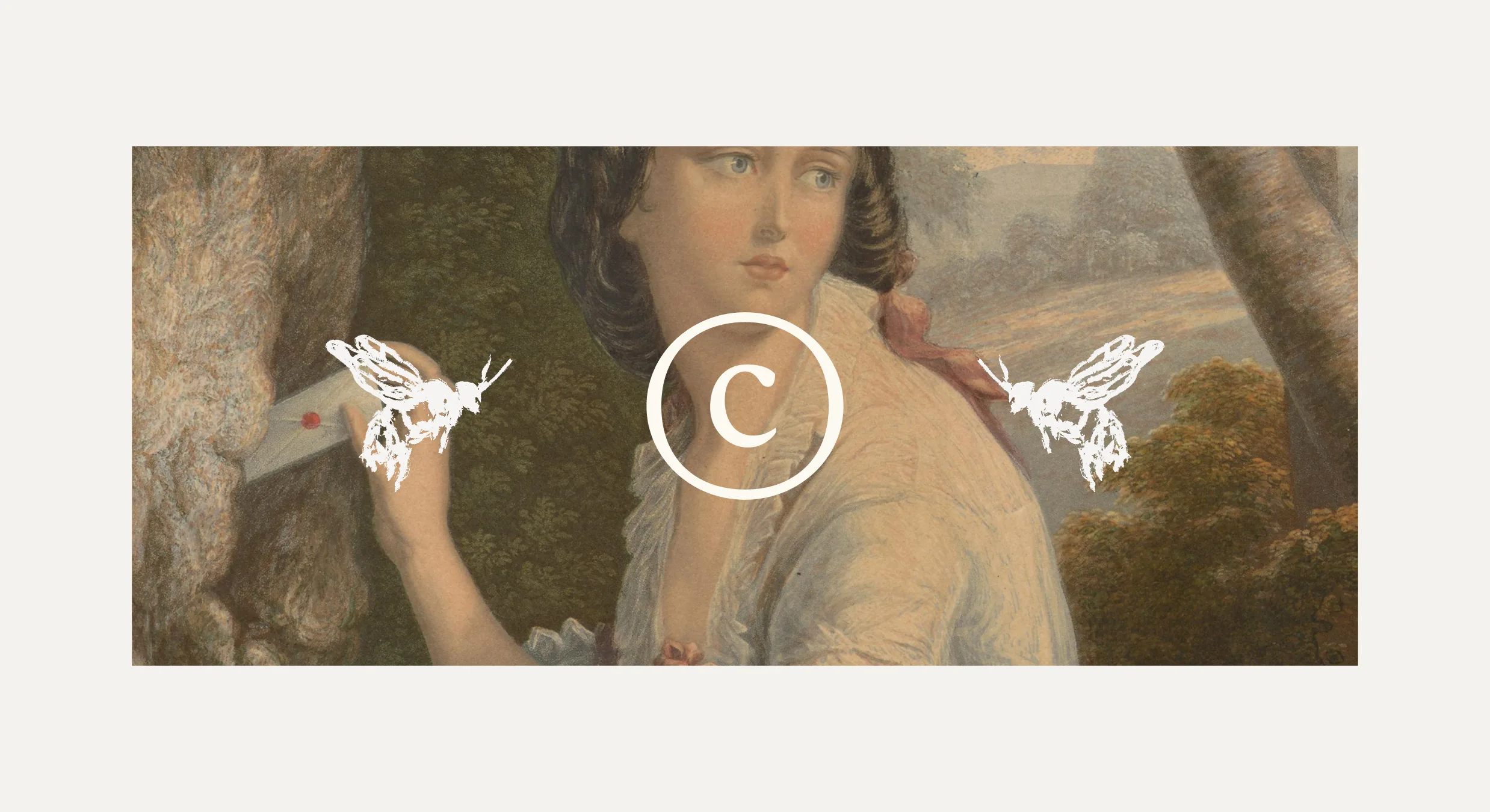
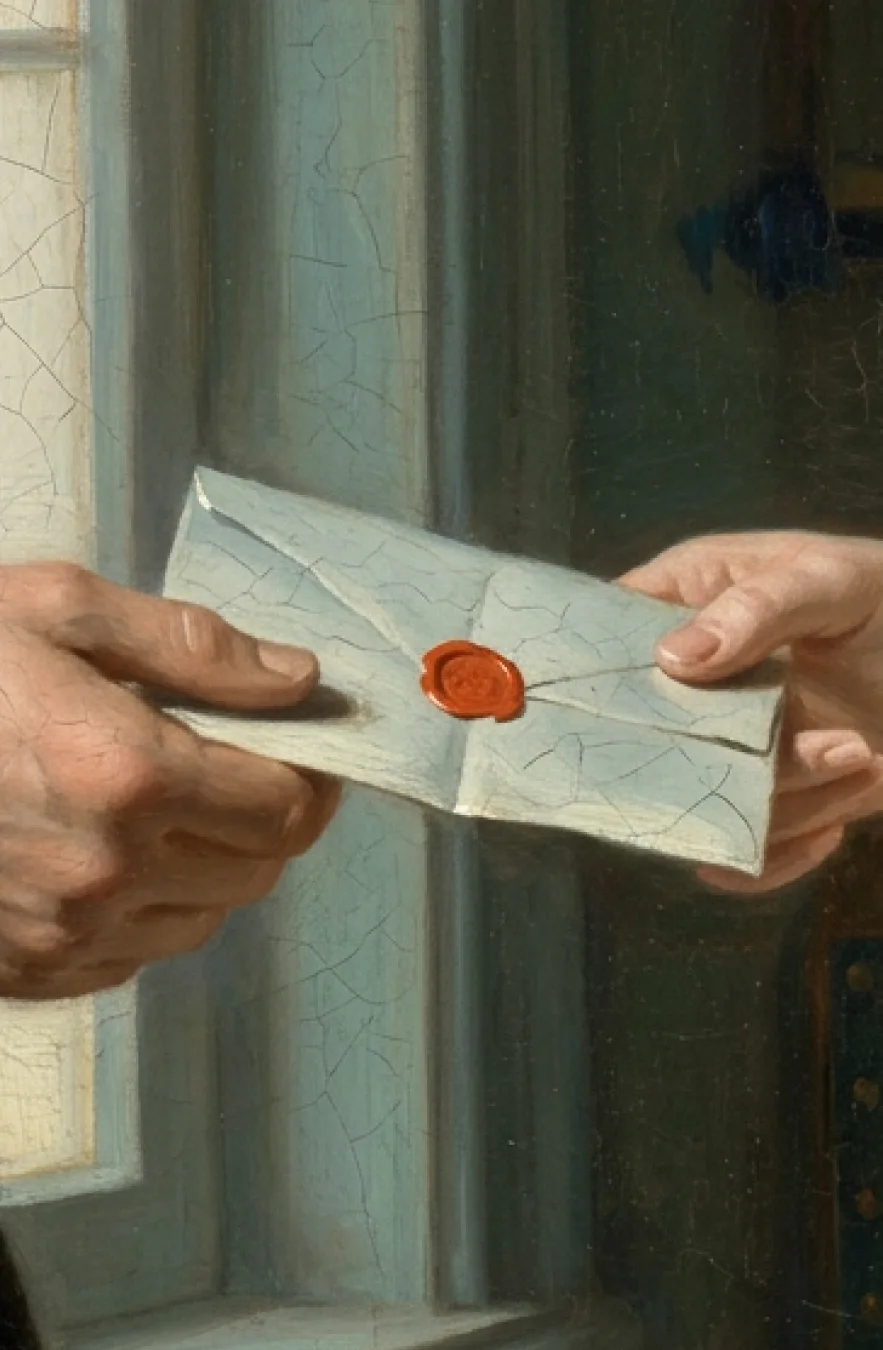
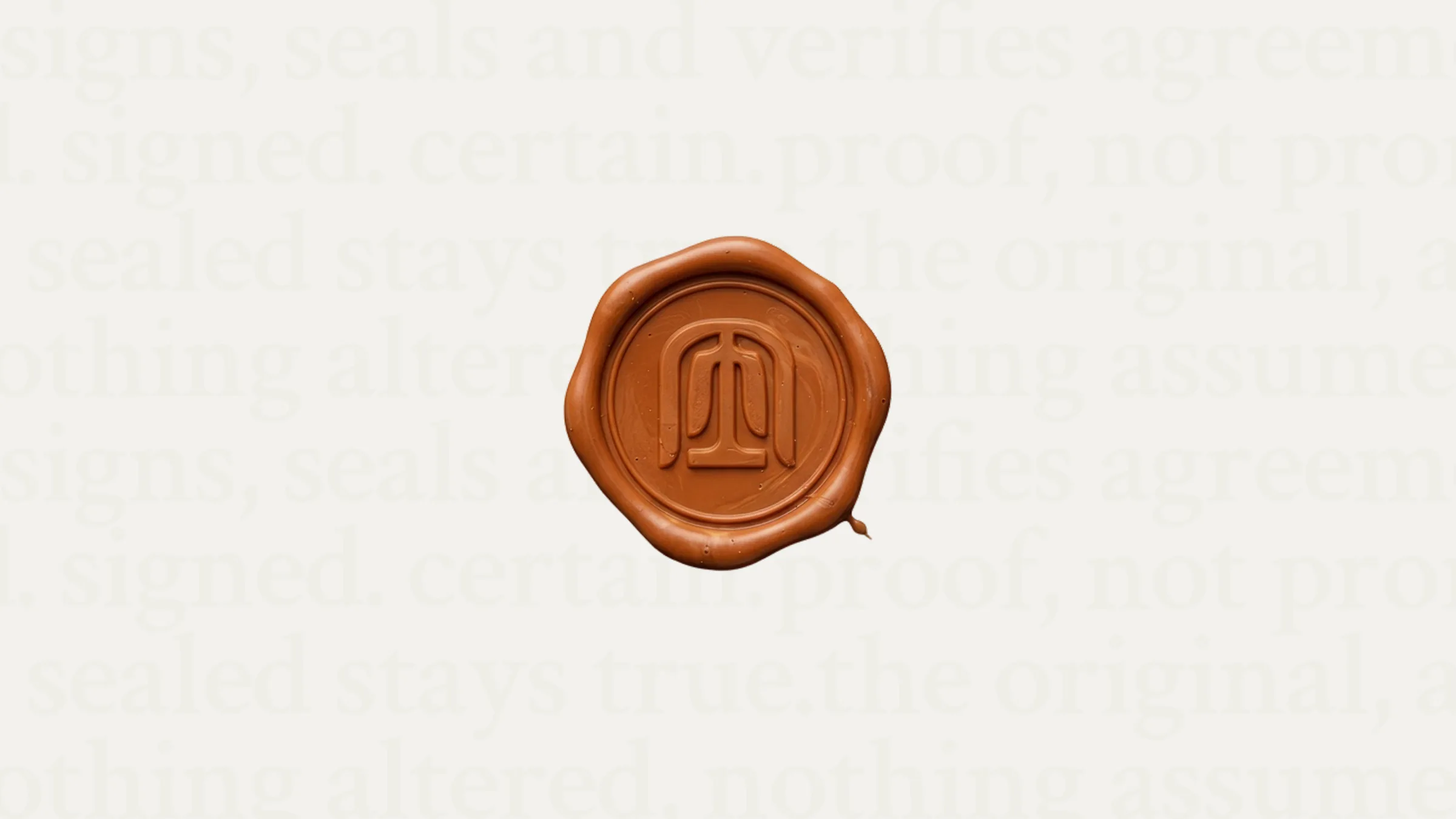
It needed to feel classic and reassuring, so it’s built on history: a wax seal mark, a serif with heritage, a warm vermilion.
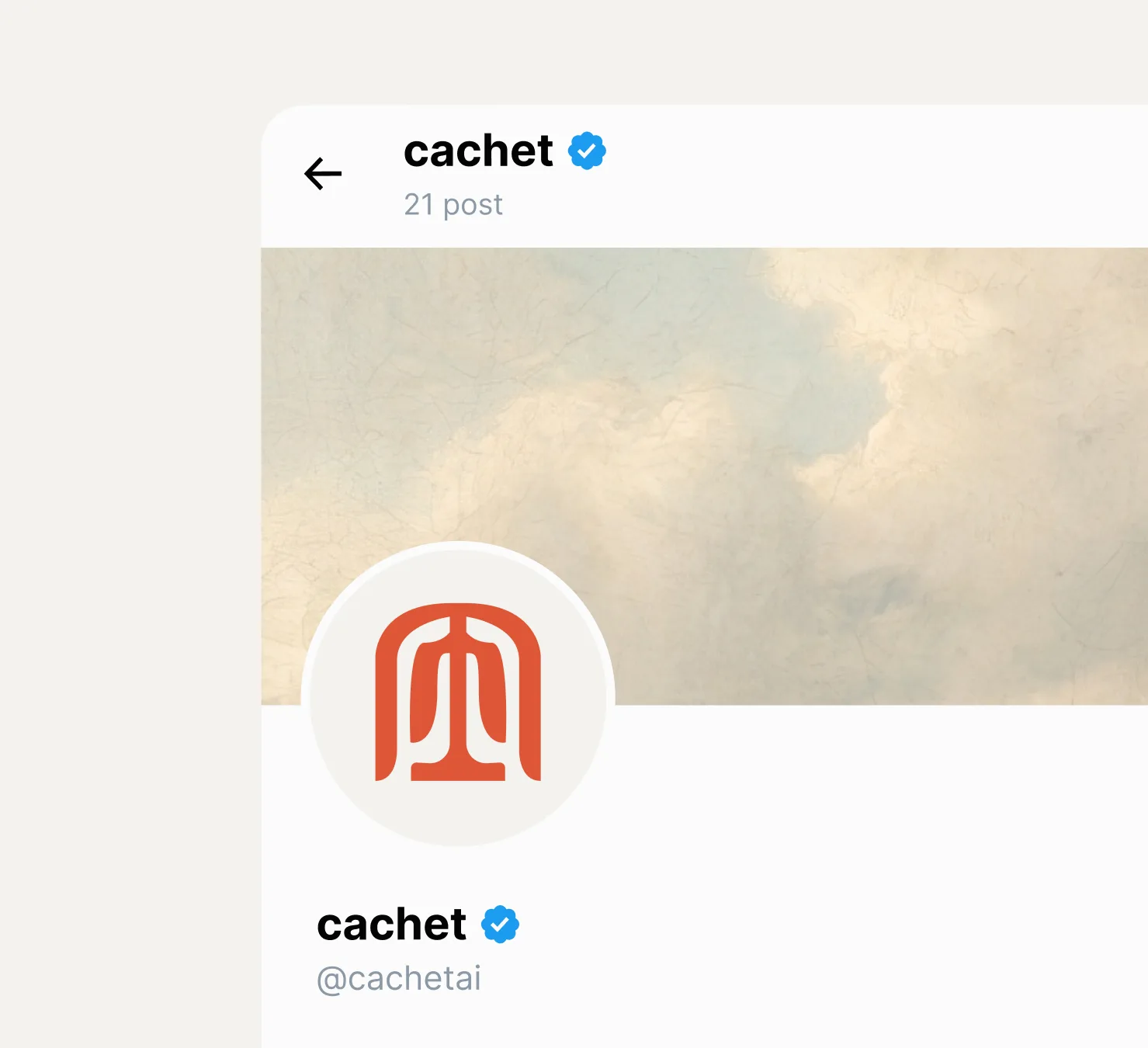
I also designed animated pieces of the interface, so the product gets built from the brand in use, not from a blank screen.
 RampartBrand Identity, Web Design
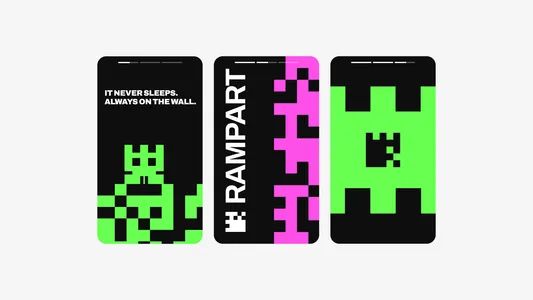
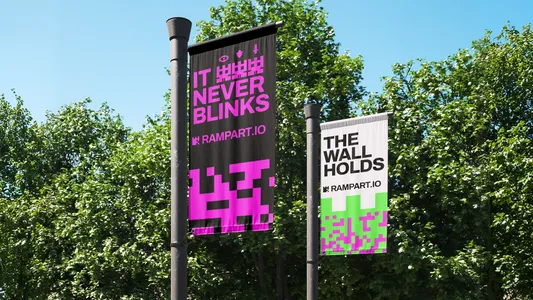
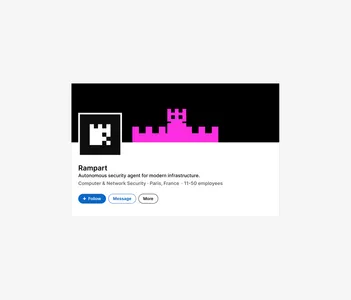
Rampart
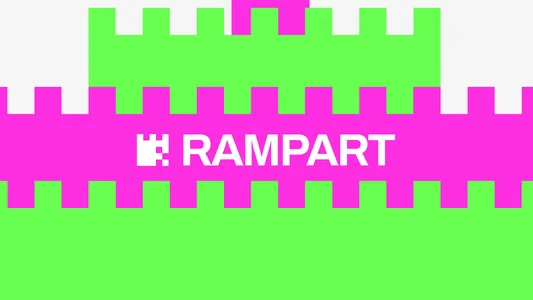
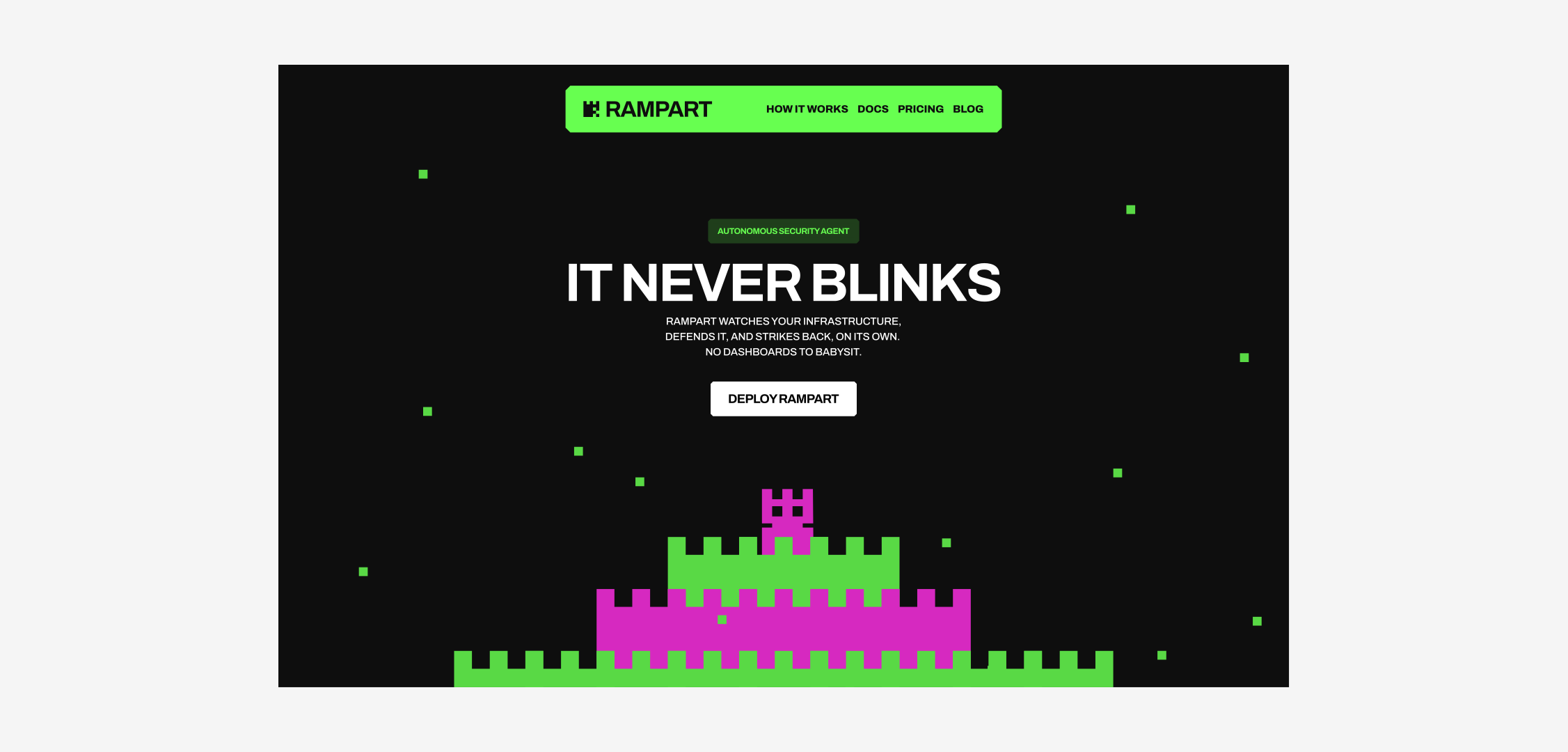
Brand identity · Security monitoring that never blinks
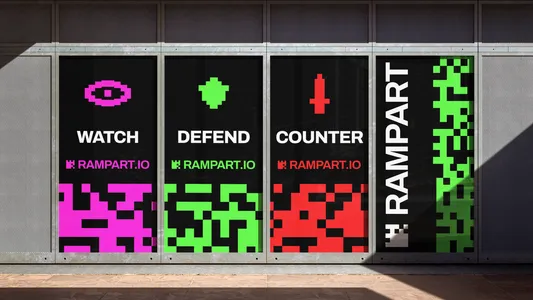
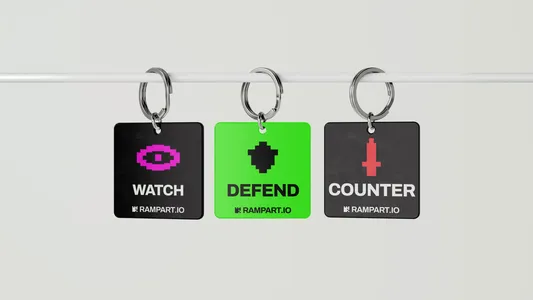
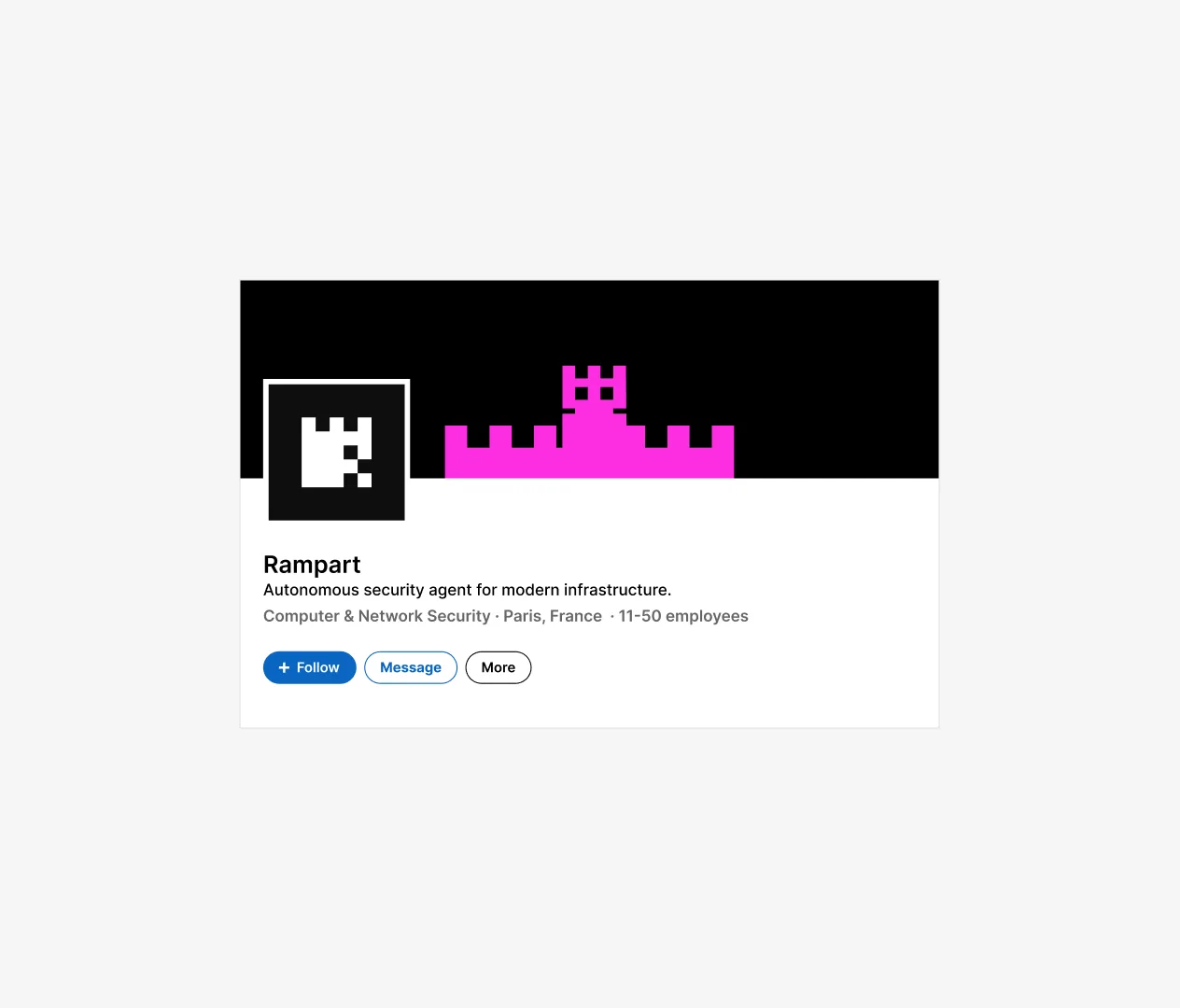
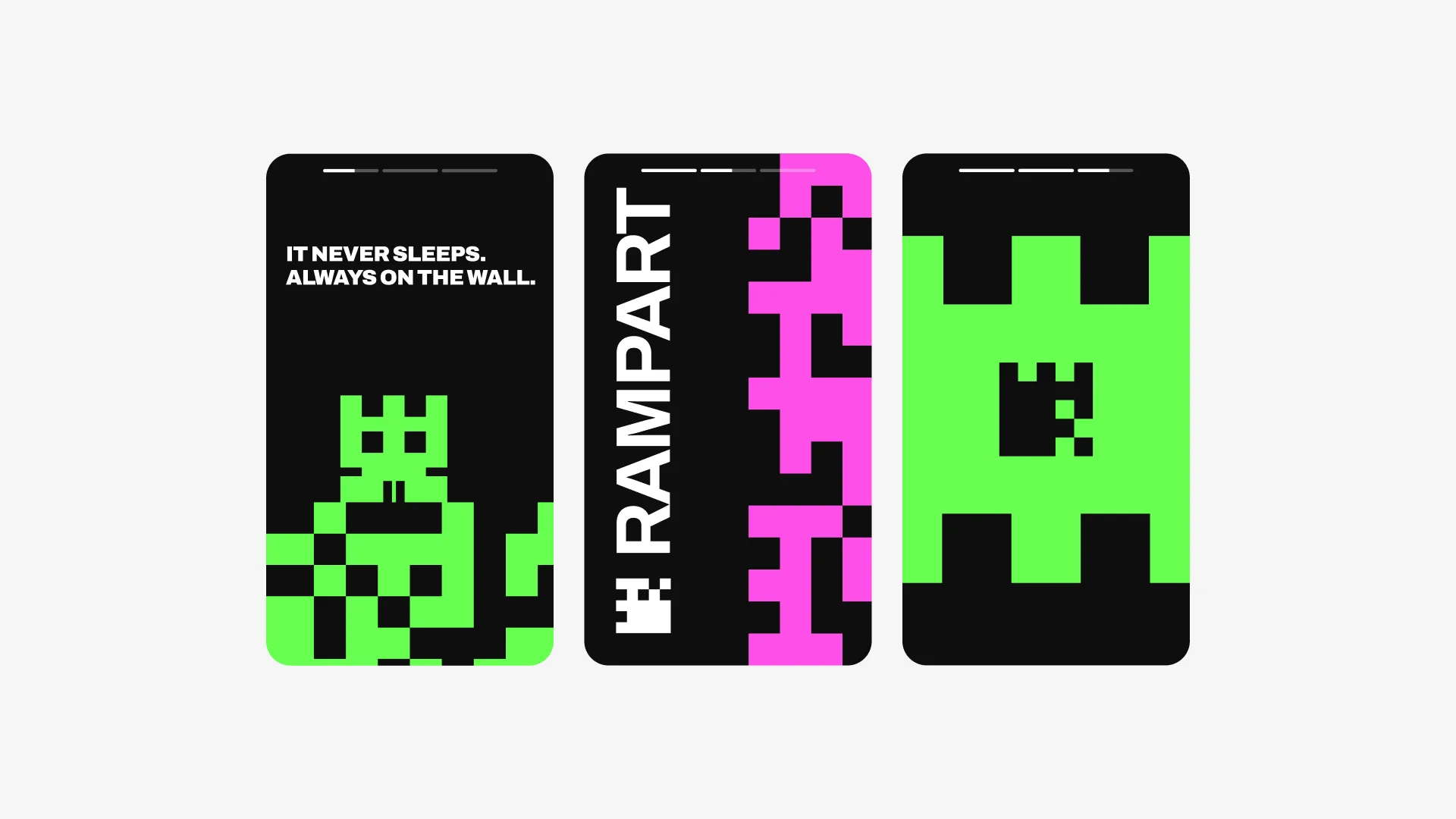
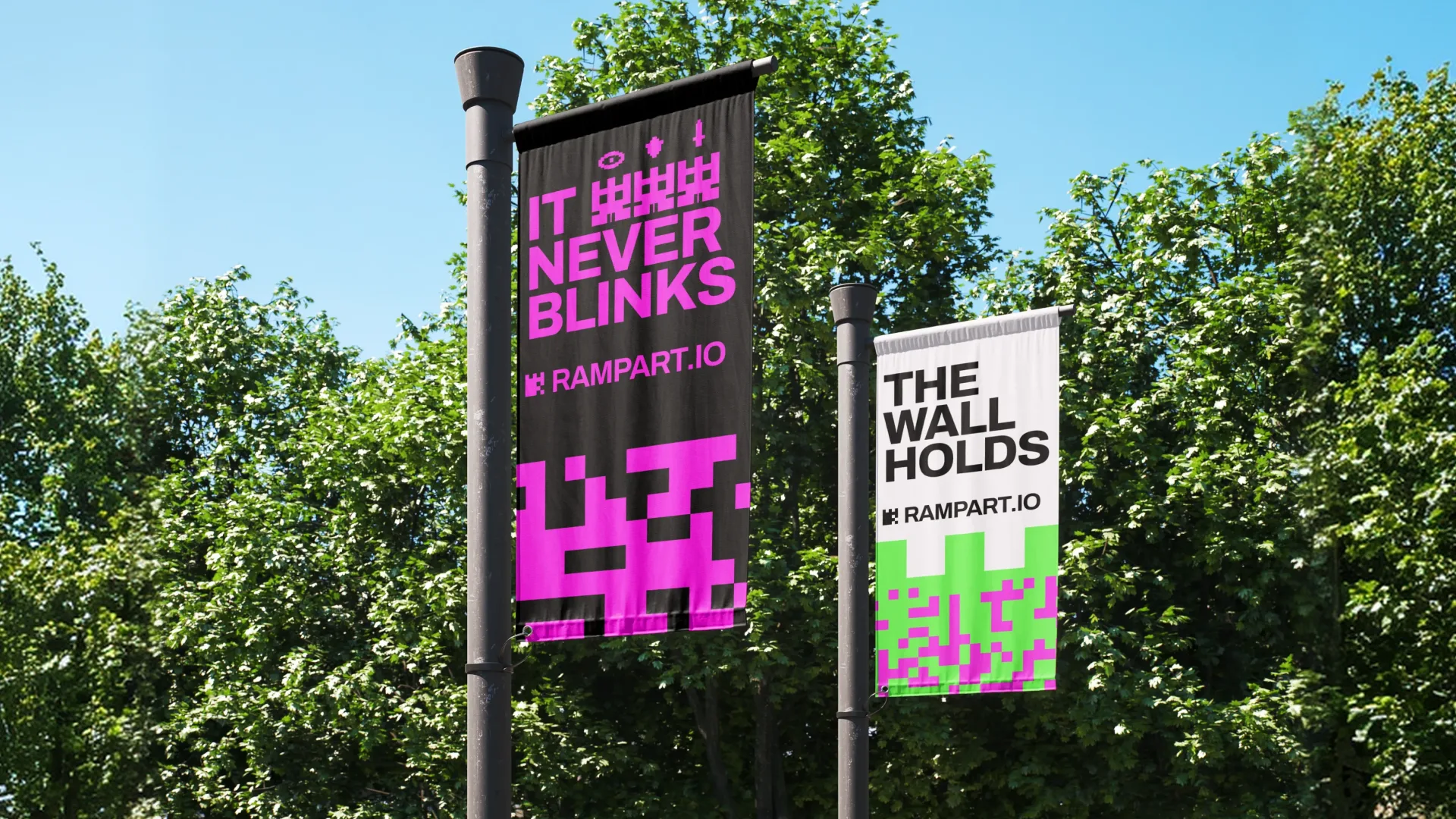
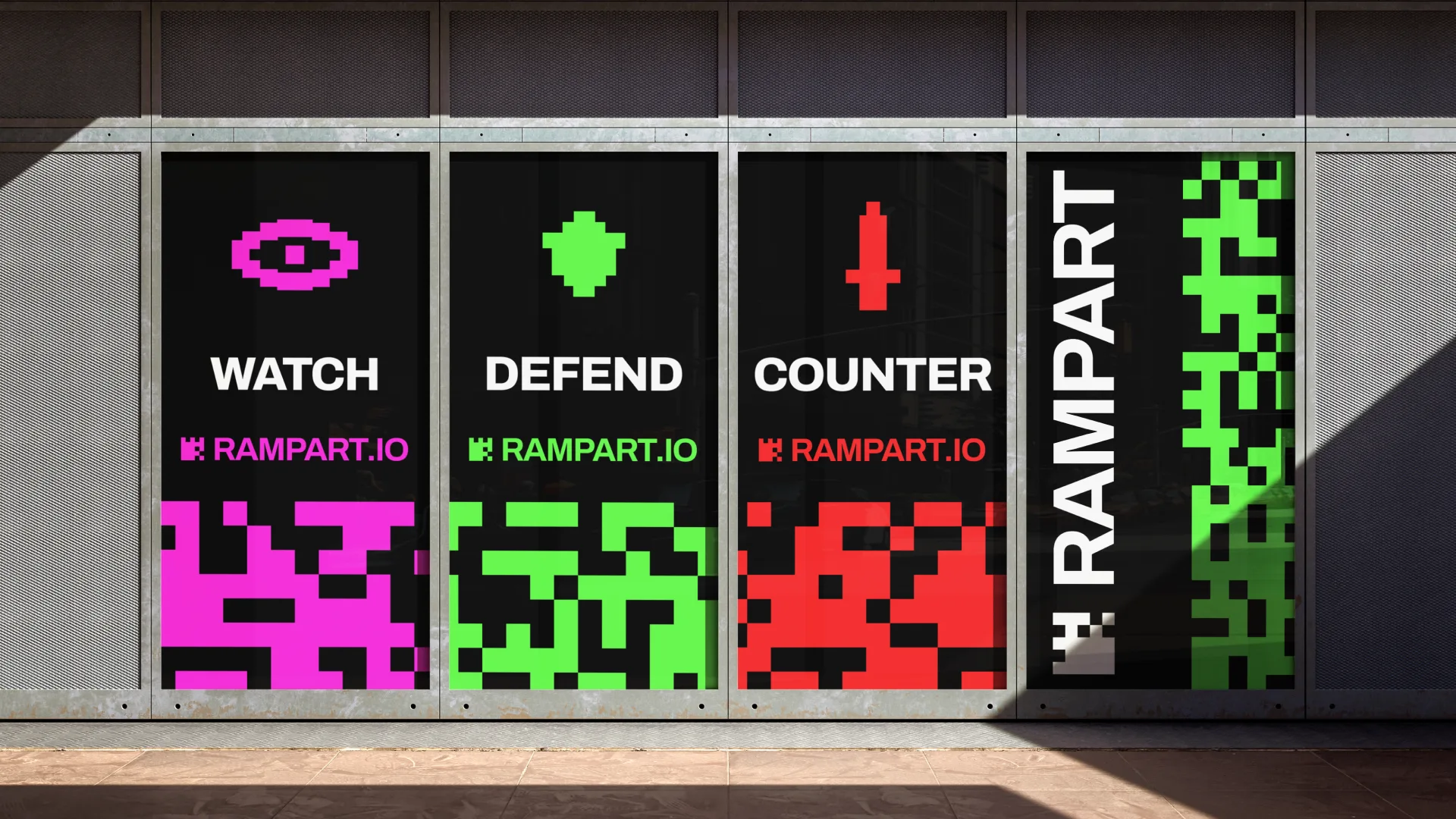
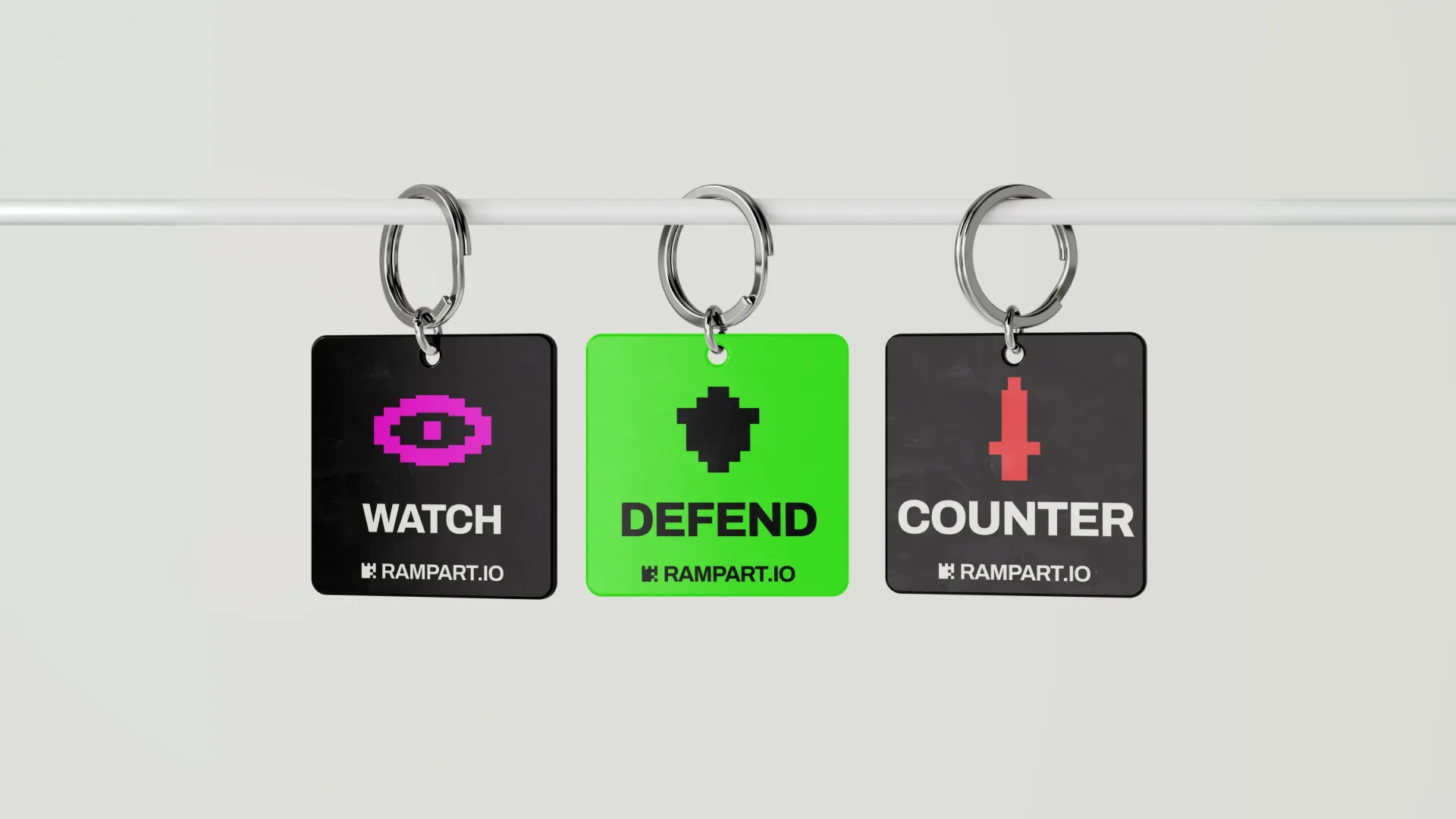
Rampart is an AI agent that never blinks. It watches your infrastructure, defends it and strikes back on its own, so nobody has to sit in front of a dashboard. The style comes from gaming, a world its users already know well.
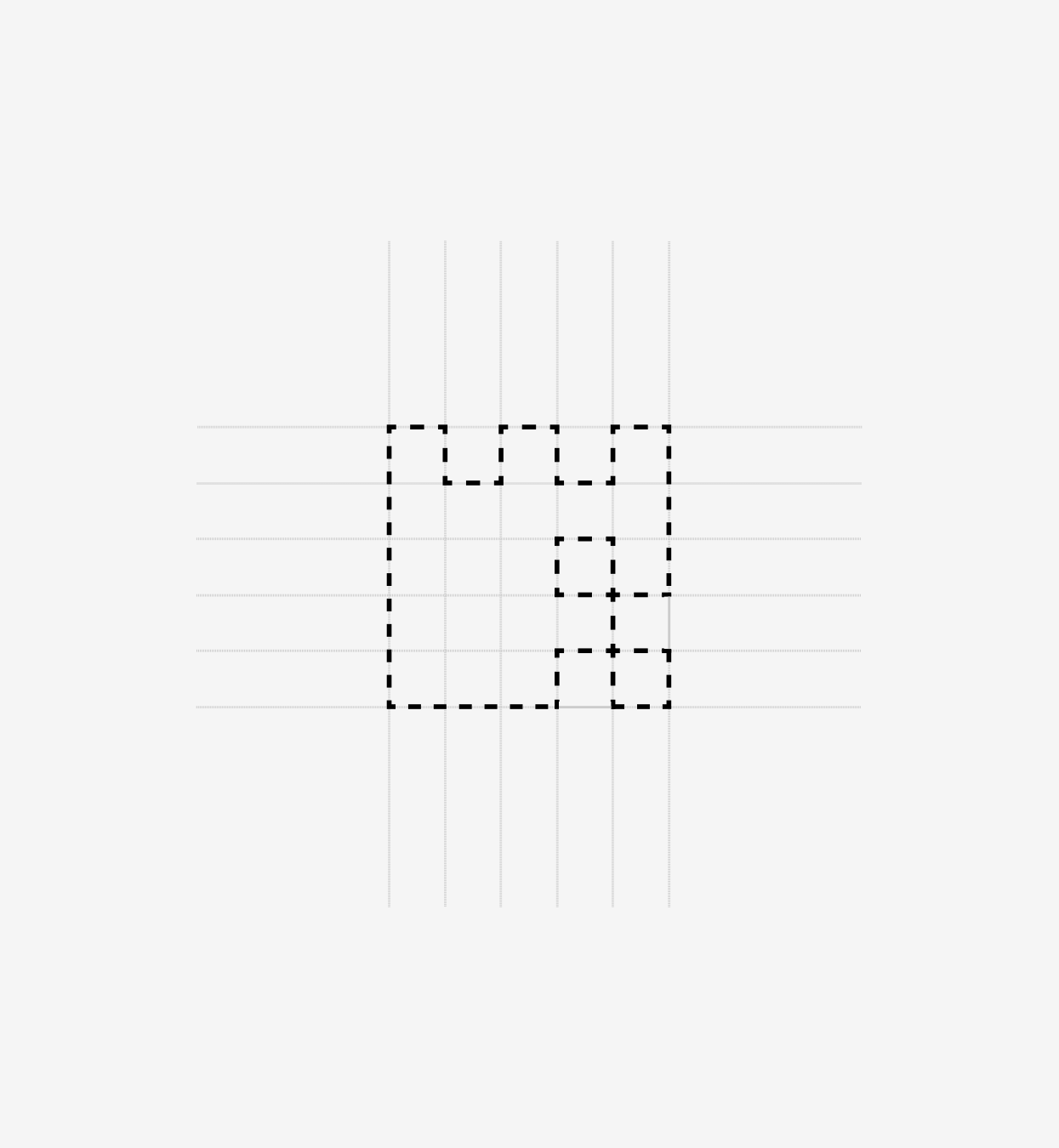
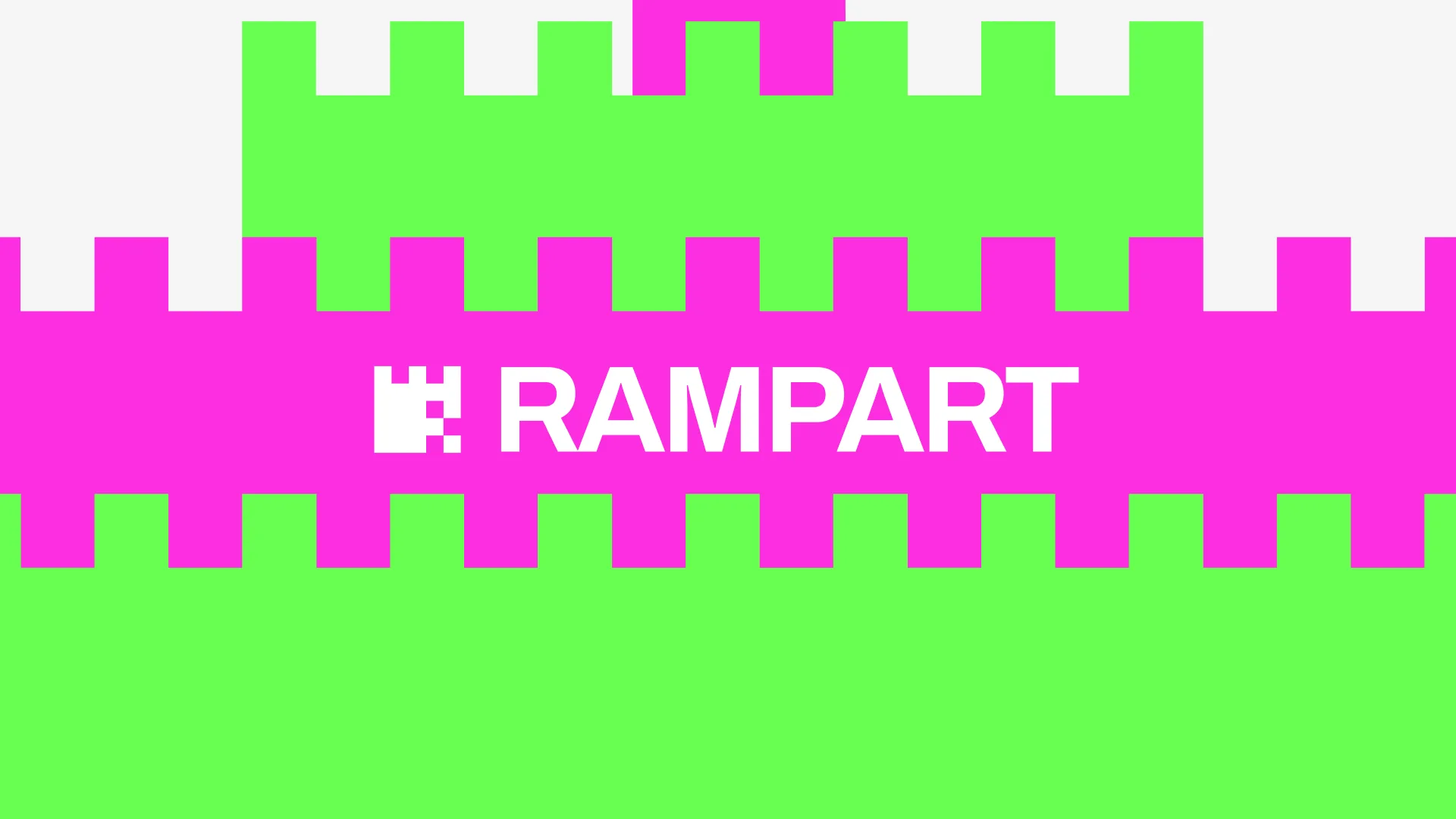
Everything is built on one pixel grid, from the rook in the logo to the battlements on the website.
 Vilio.aiBrand Identity, Web Design
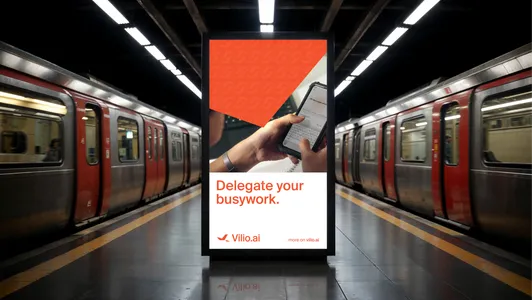
Vilio.ai
Brand identity · AI assistant you delegate to
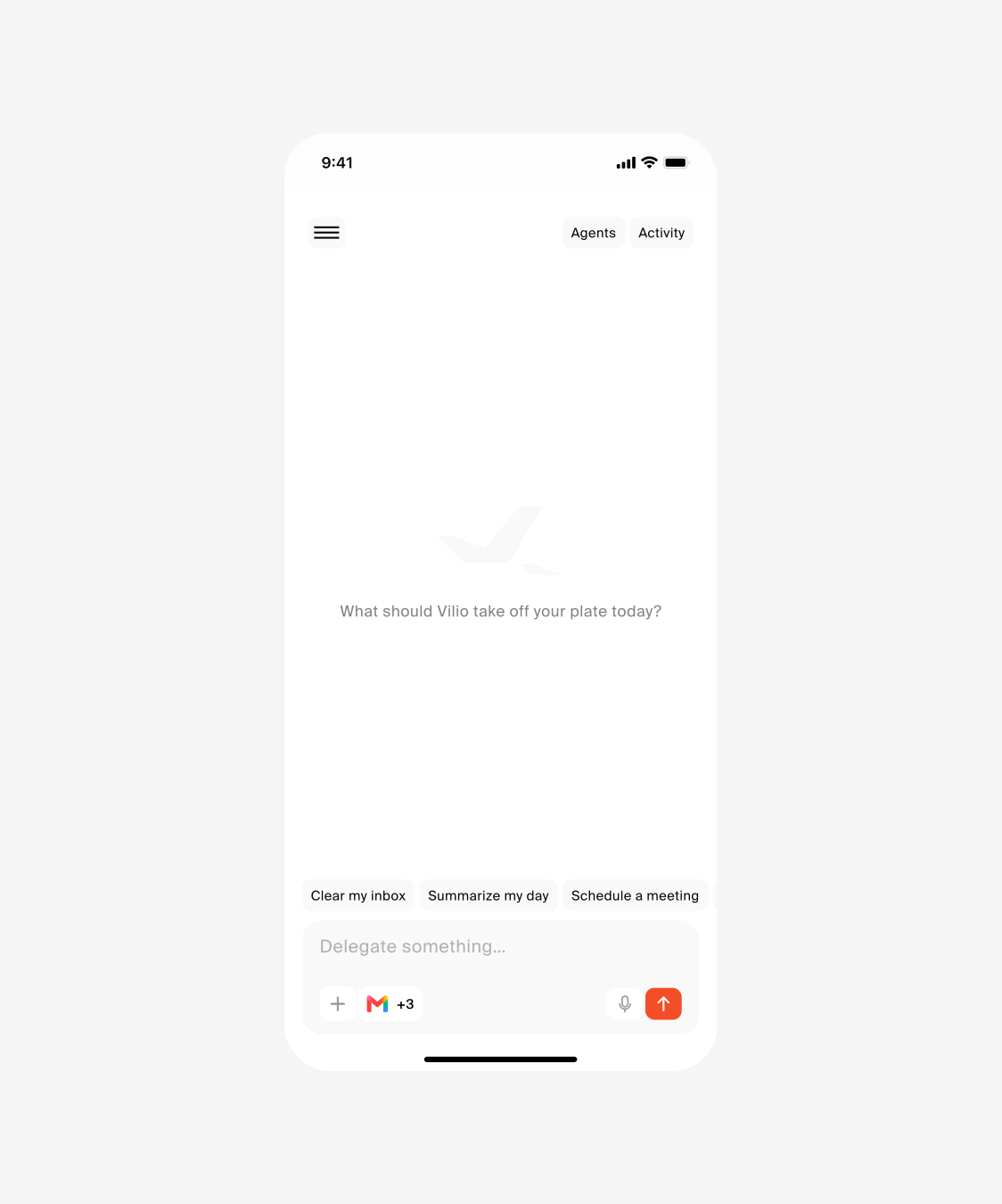
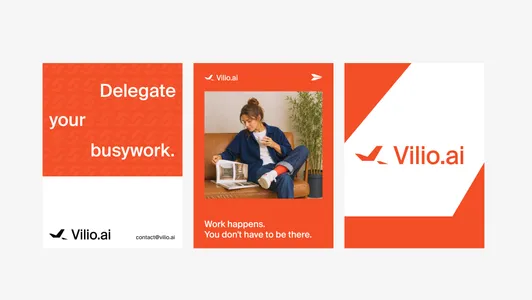
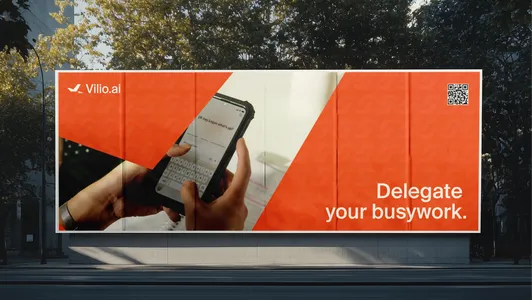
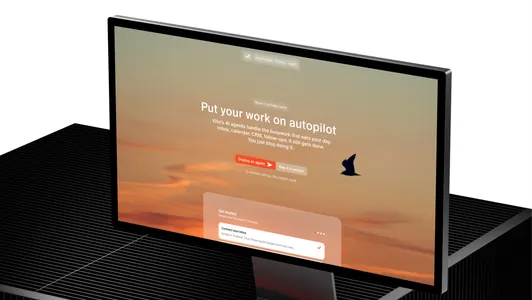
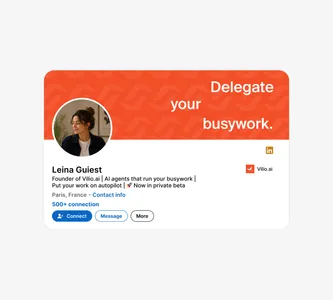
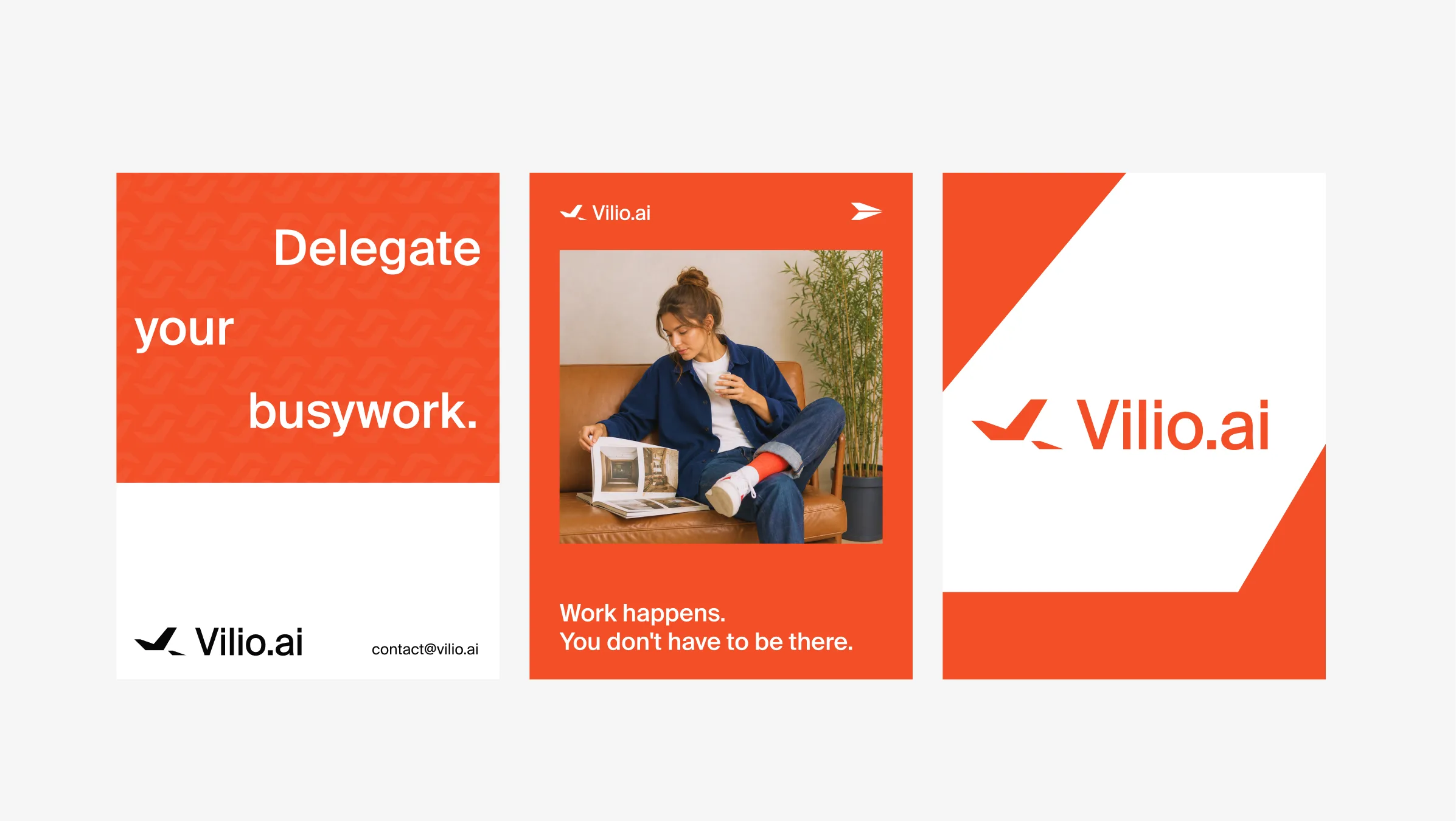
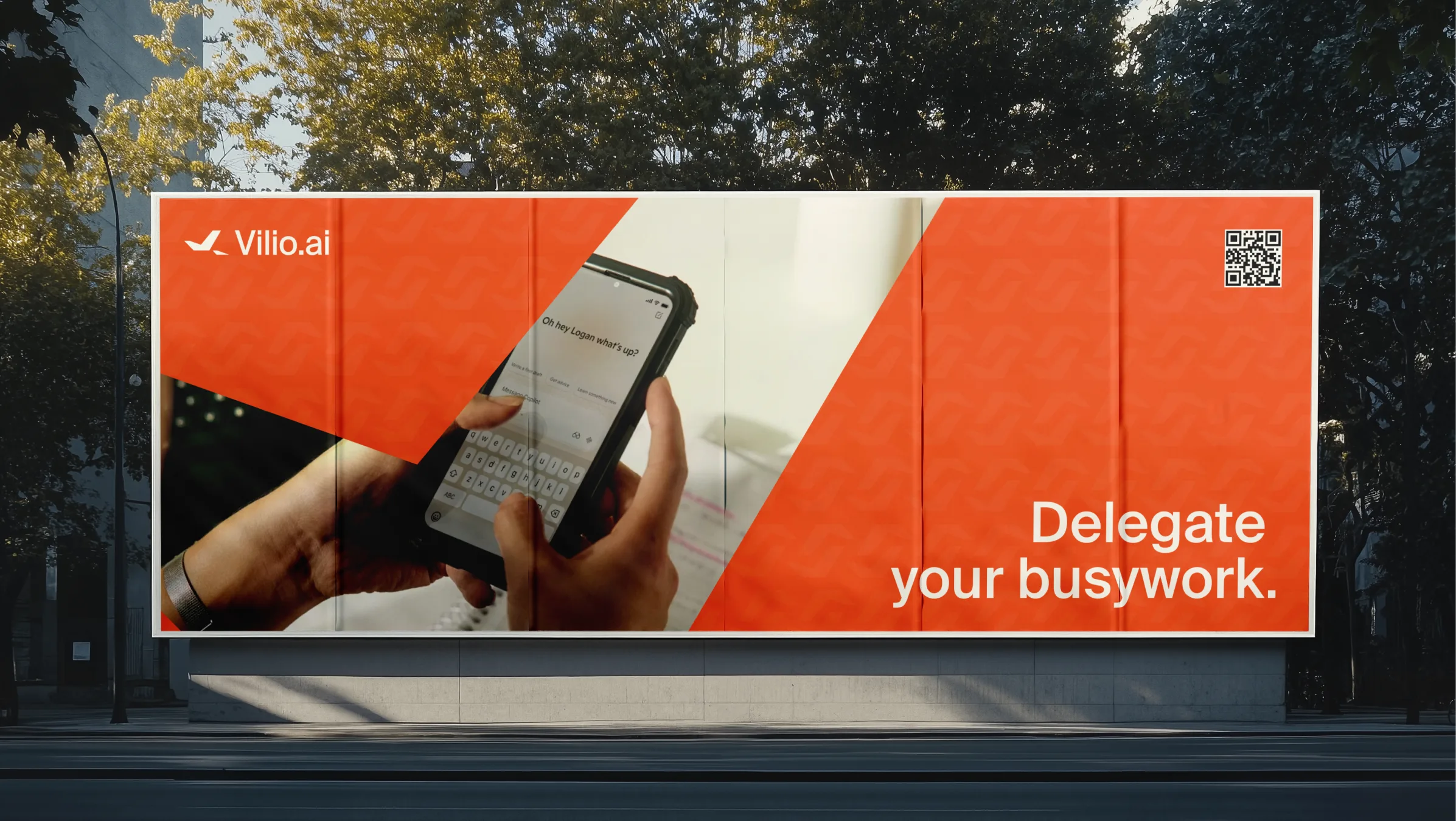
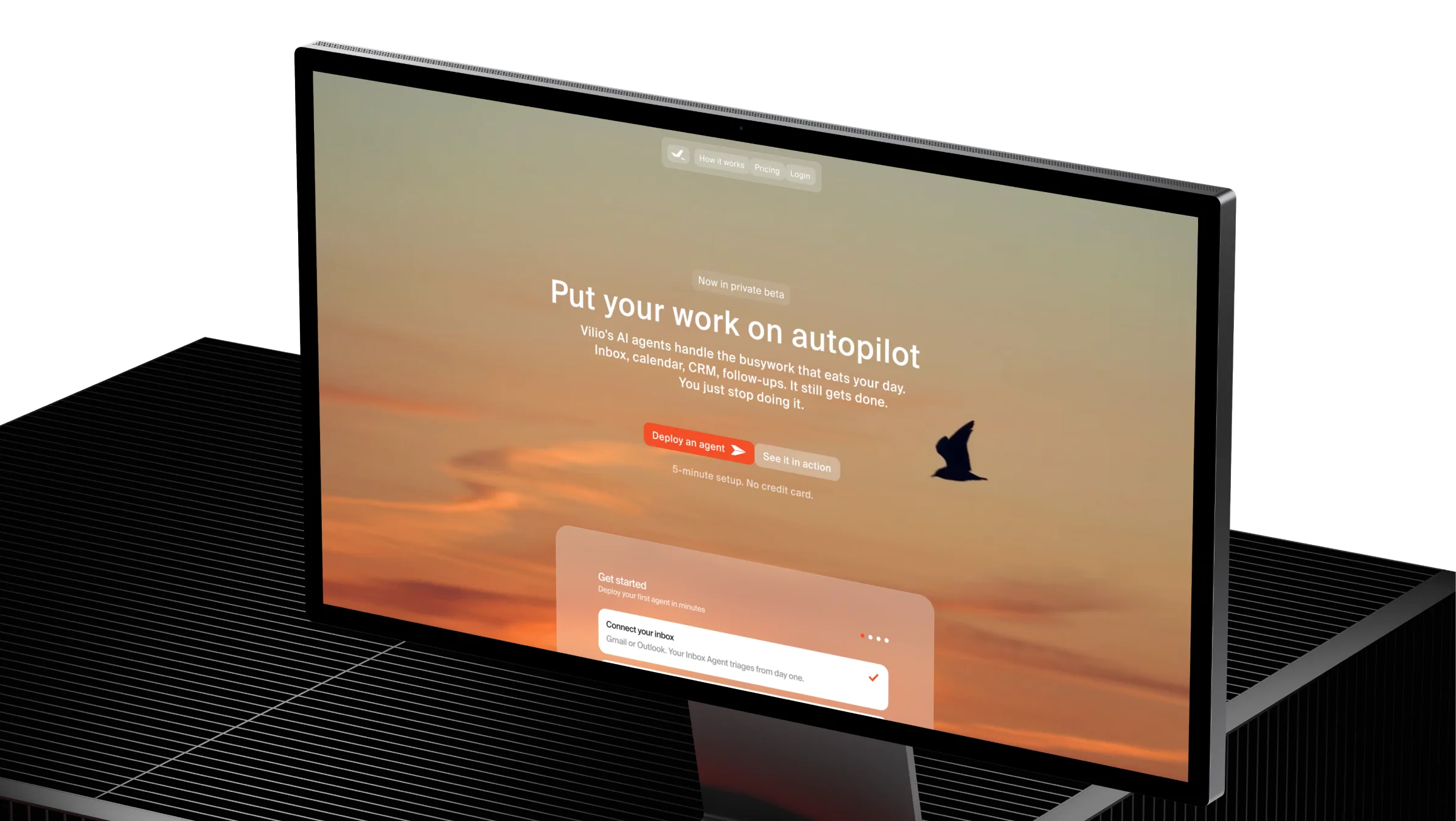
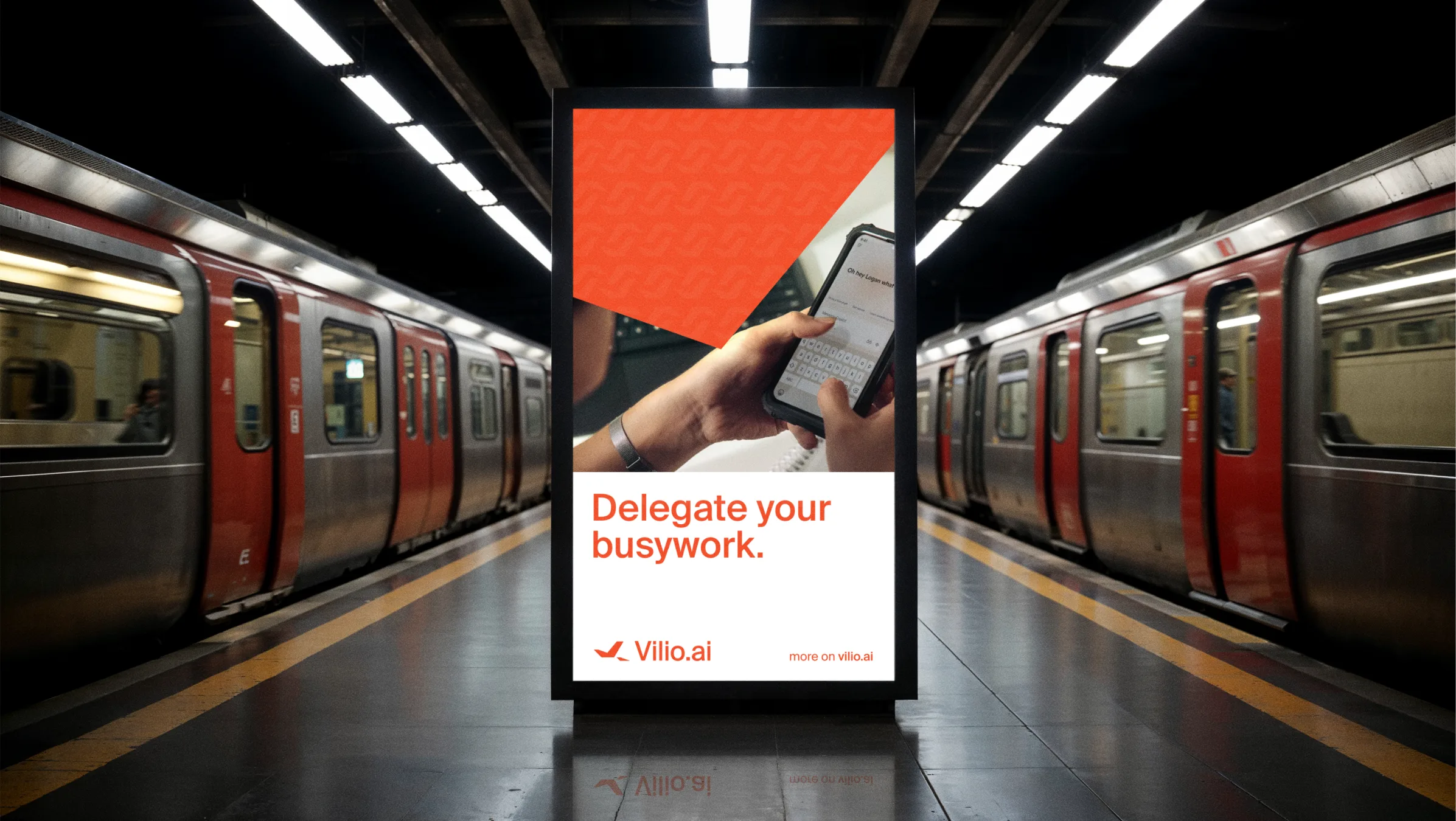
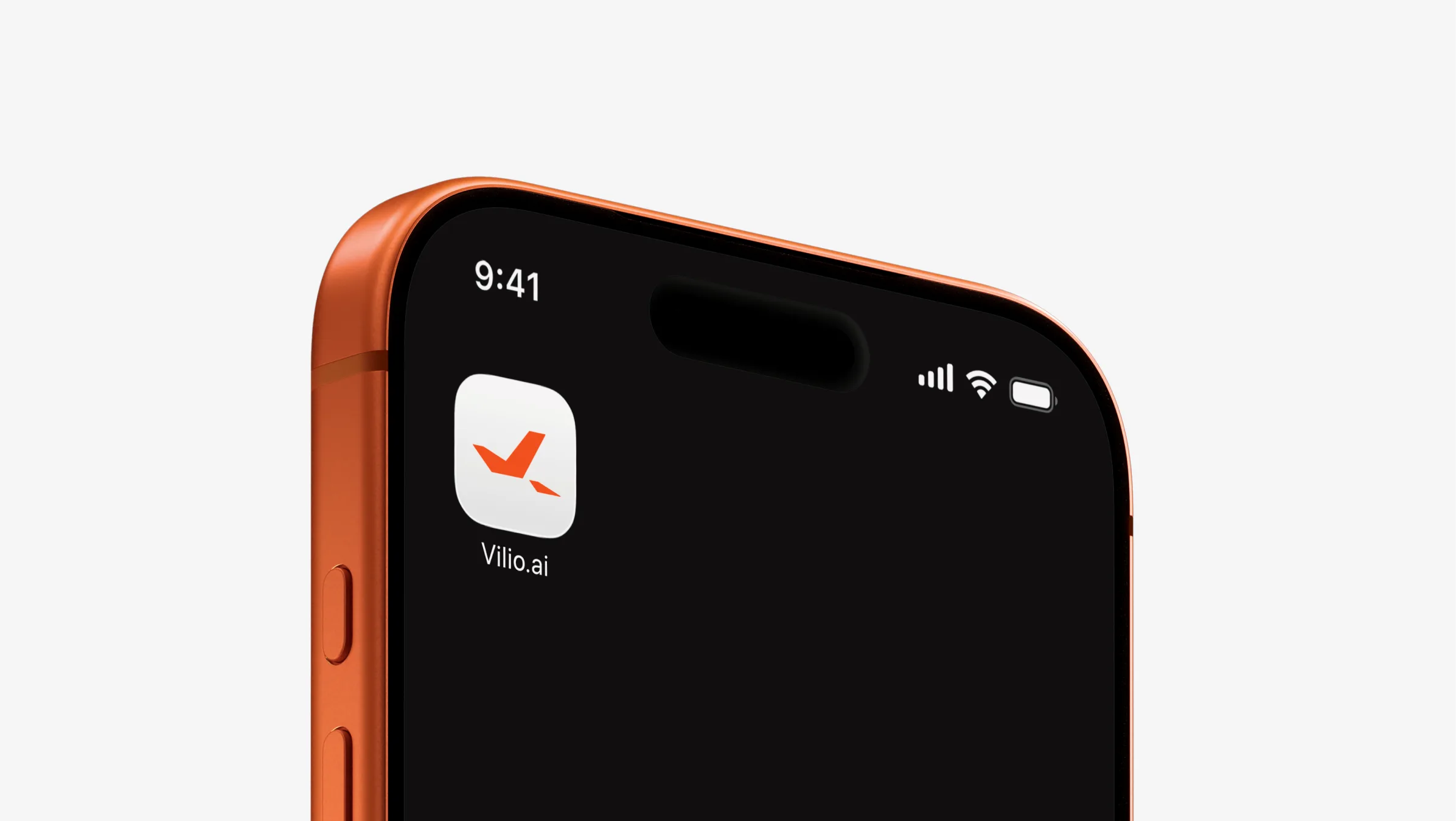
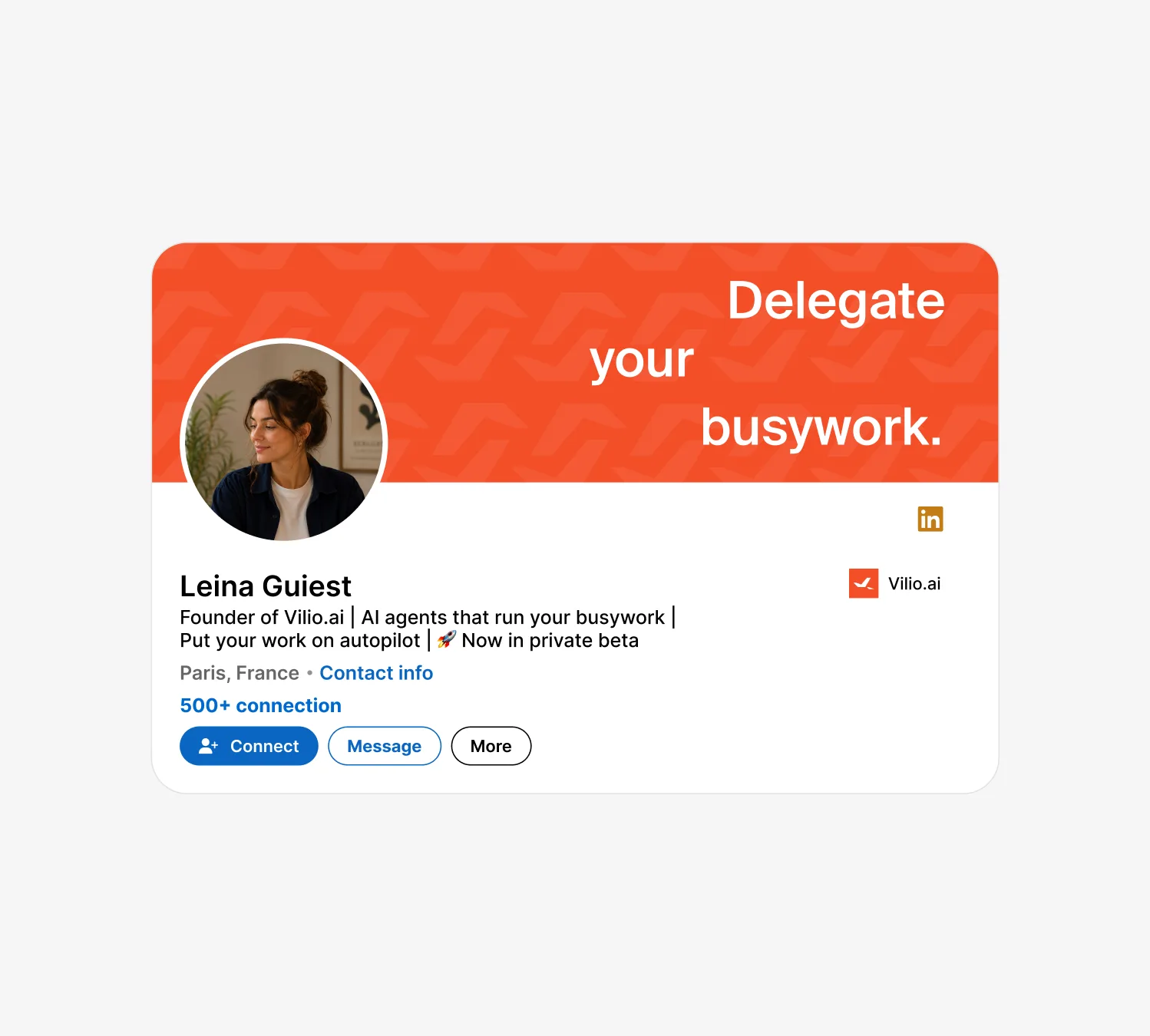
Vilio.ai takes your busywork off your plate: inbox, calendar, CRM, follow-ups. It still gets done, you just don’t do it, and you choose whether Vilio sends things on its own or waits for your OK first.
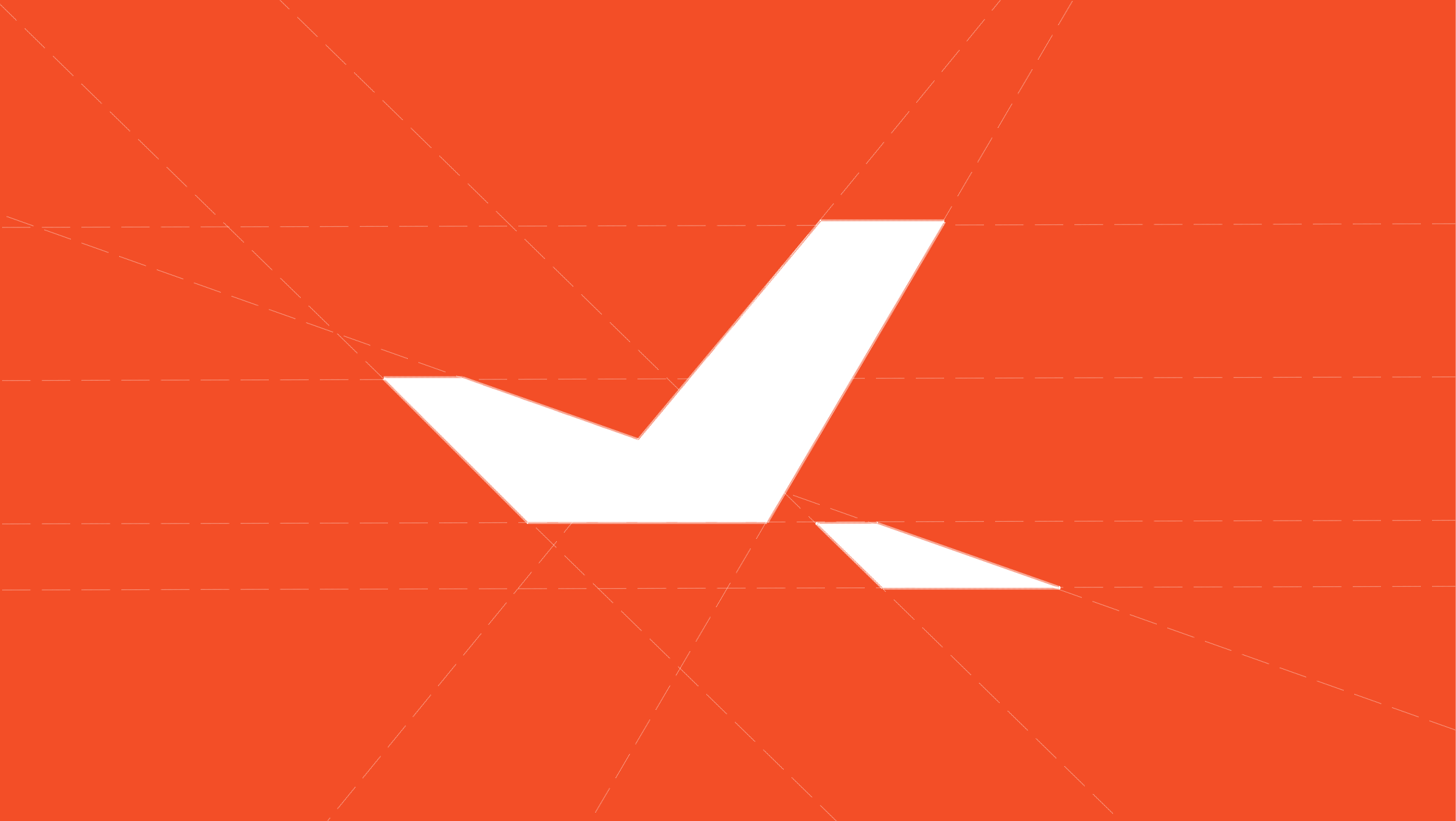
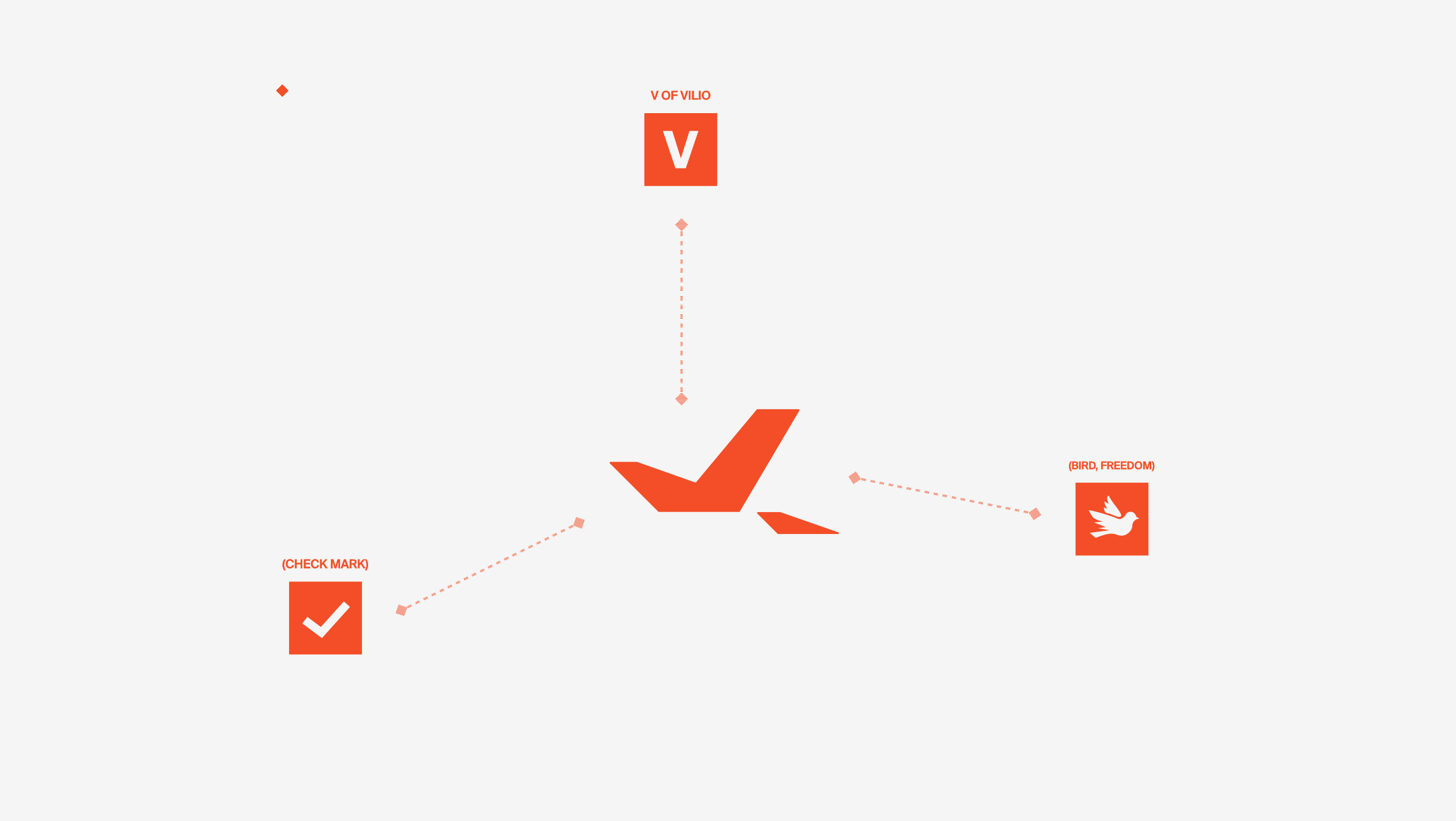
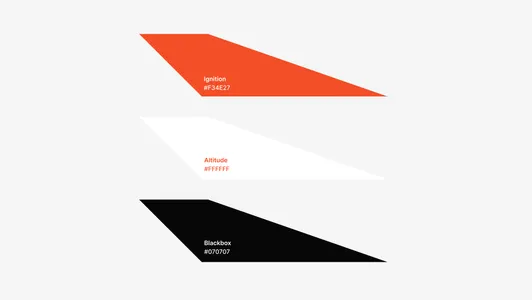
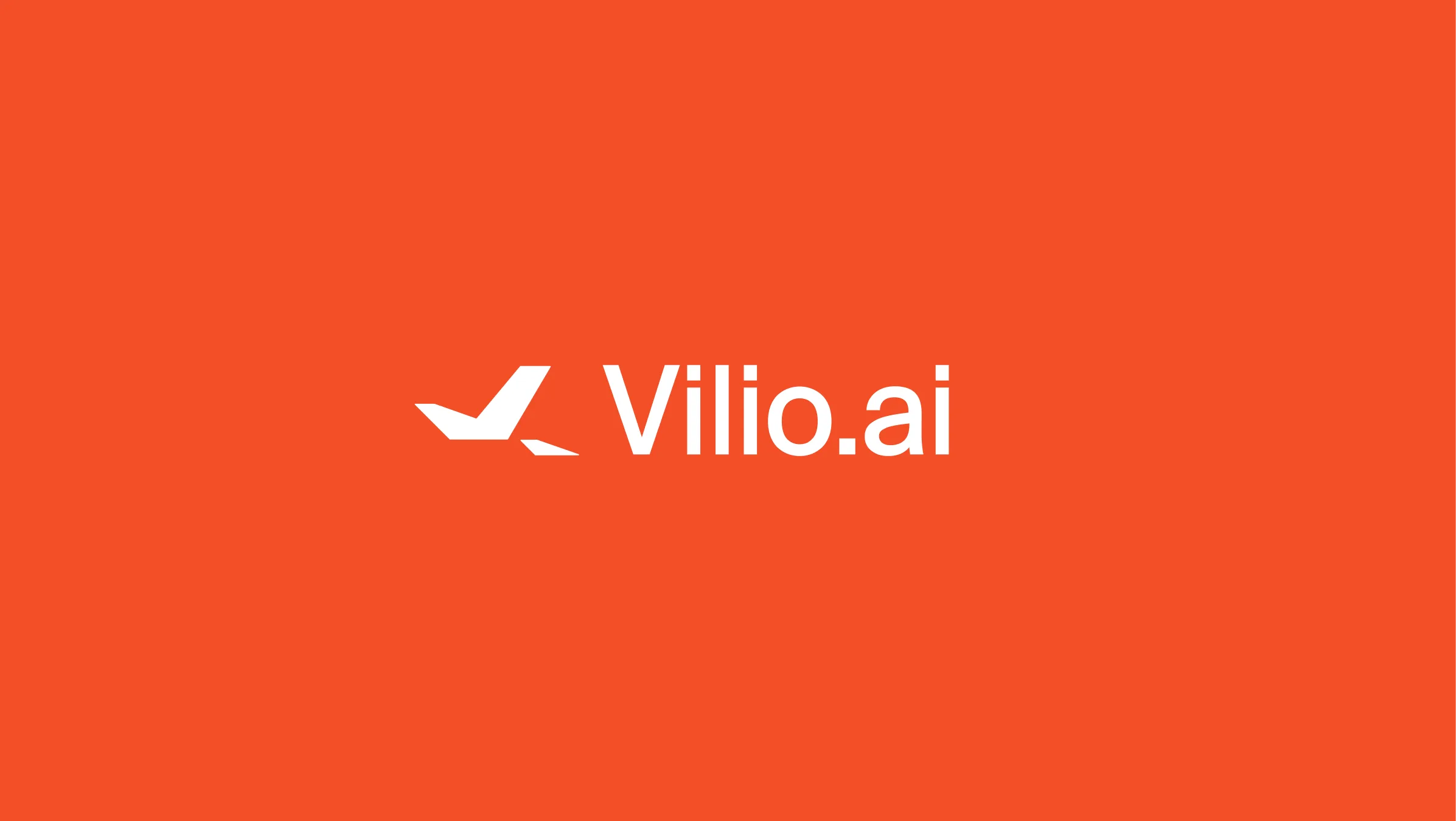
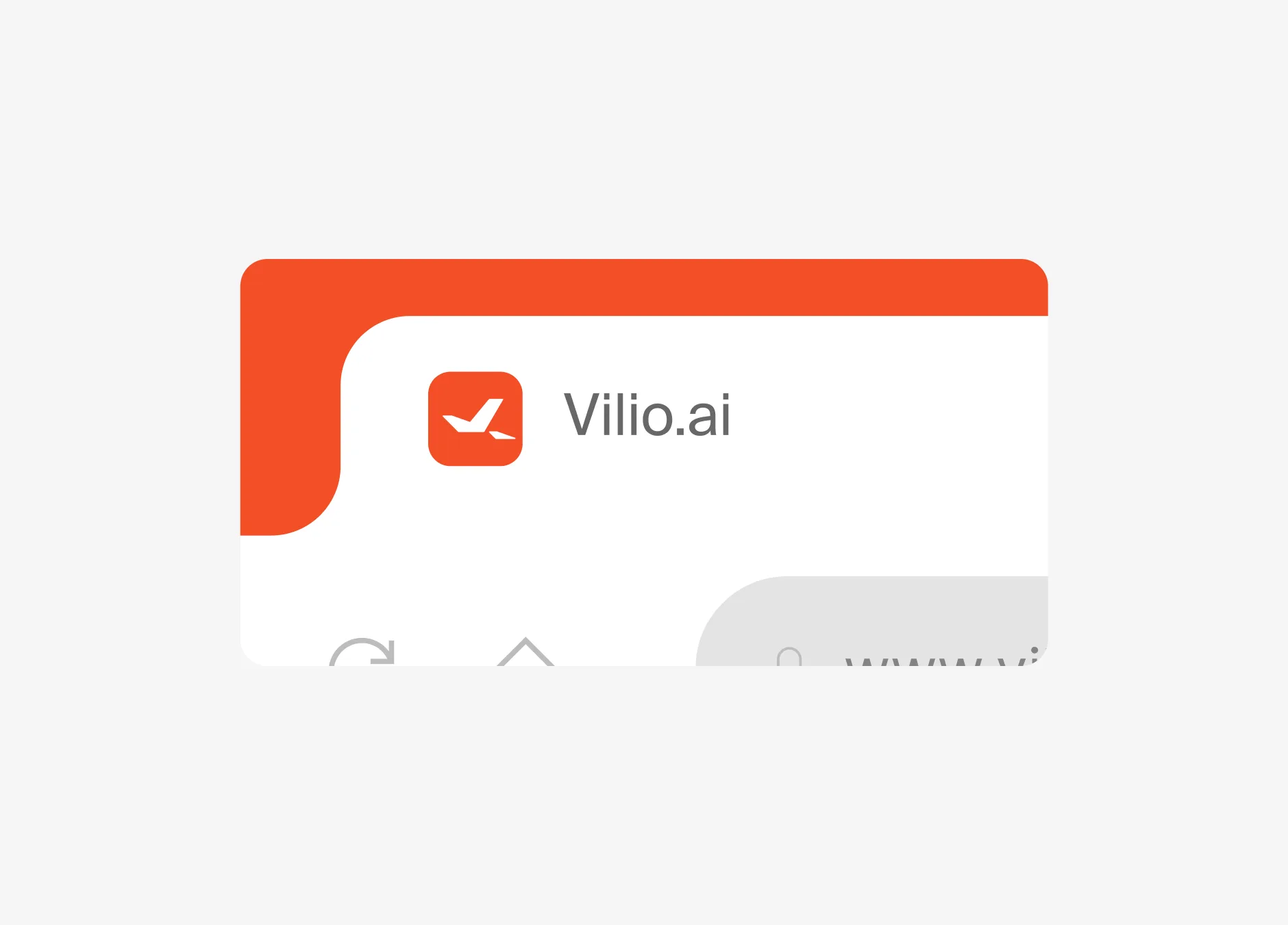
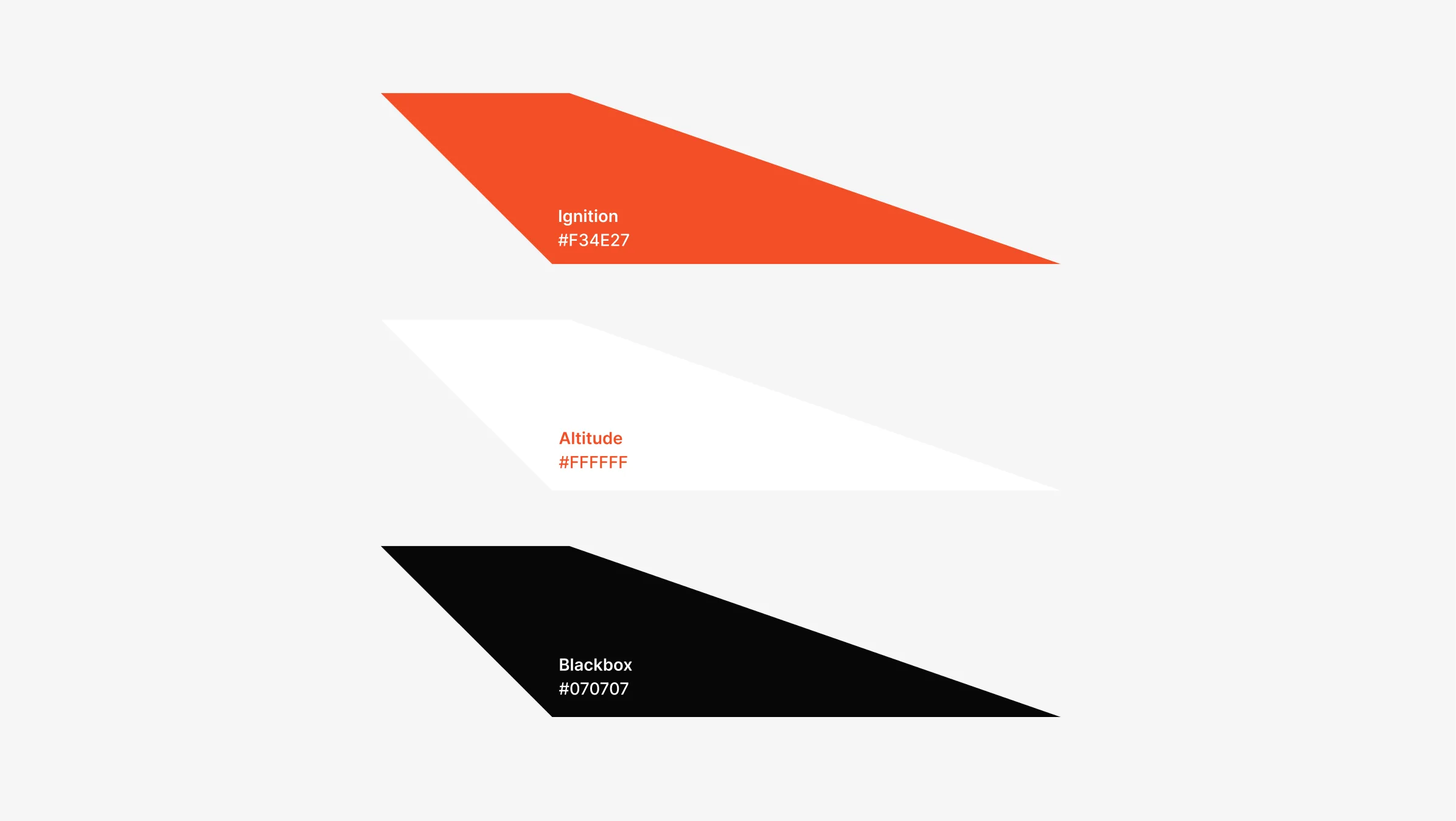
The mark puts the whole idea in one shape: a V that’s also a check, for the task that’s done, and a bird, for the freedom you get back. It’s drawn on precise construction lines, in an orange called Ignition.
 SomnBrand Identity, UI Design, Web Design
Somn
Brand identity · Sleep ritual app
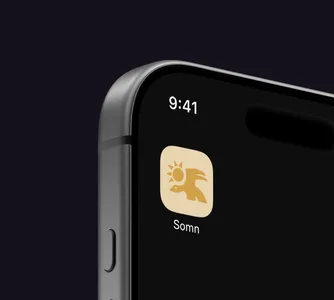
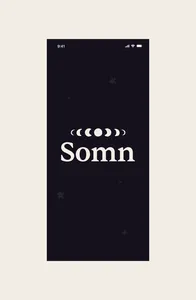
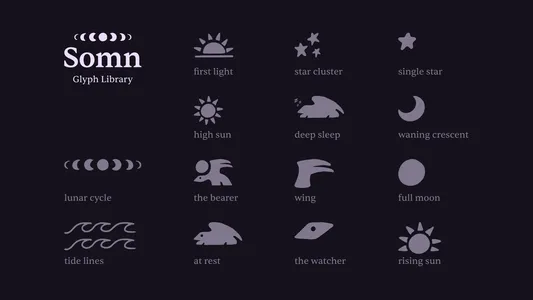
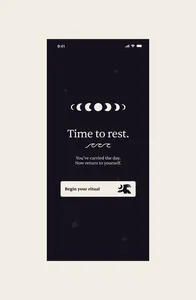
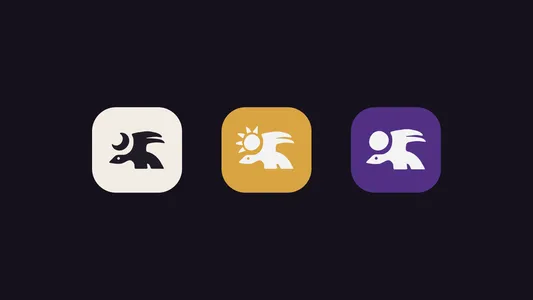
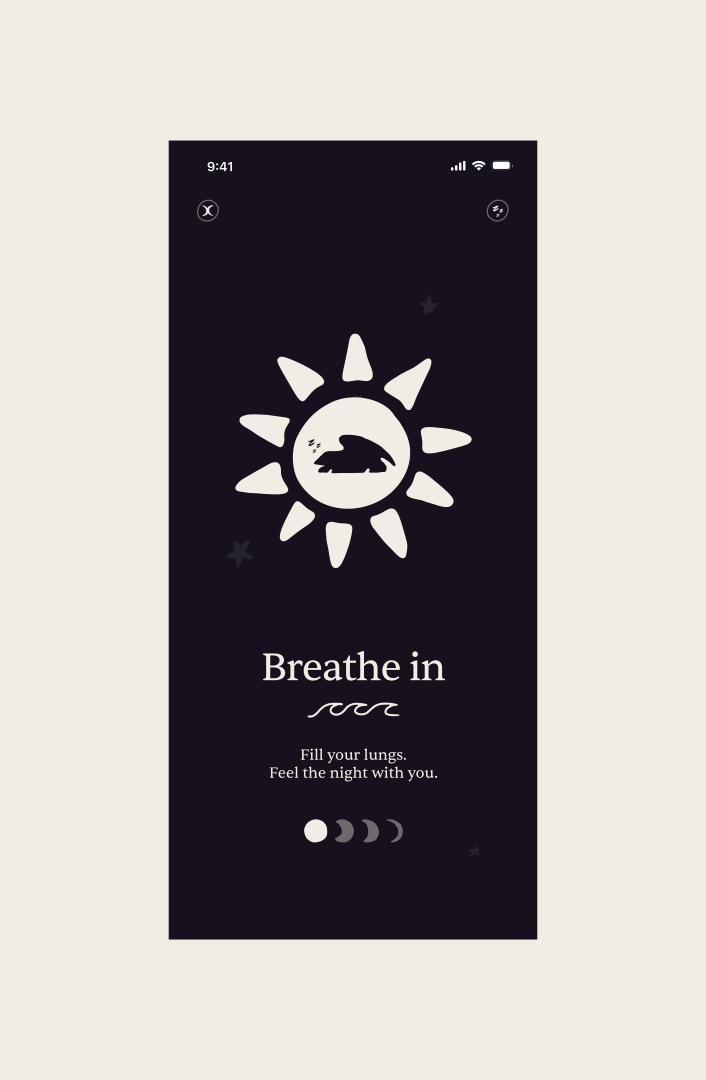
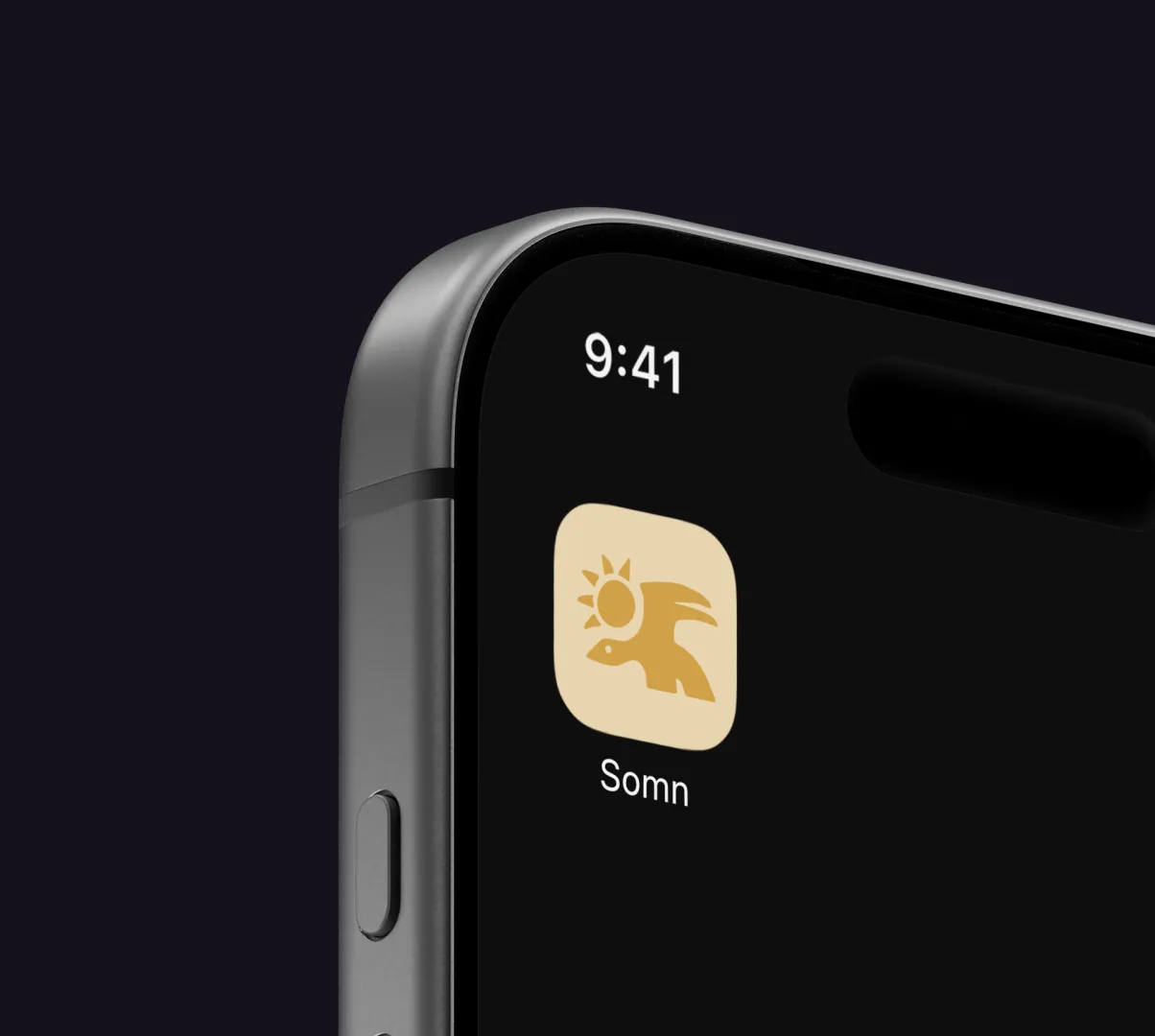
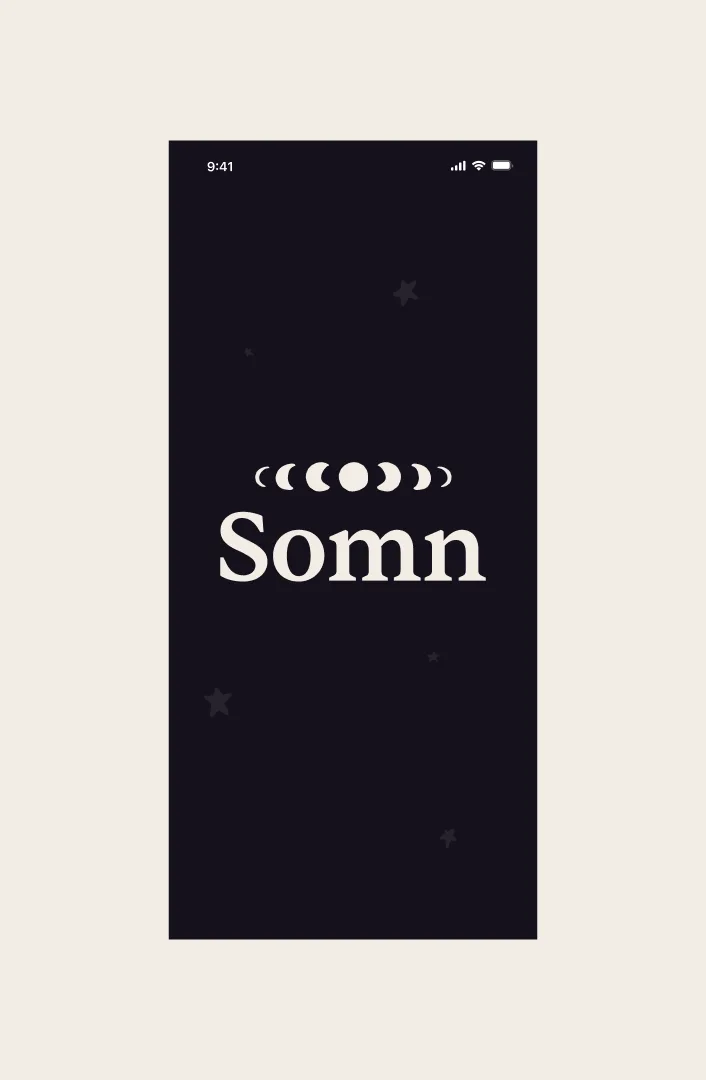
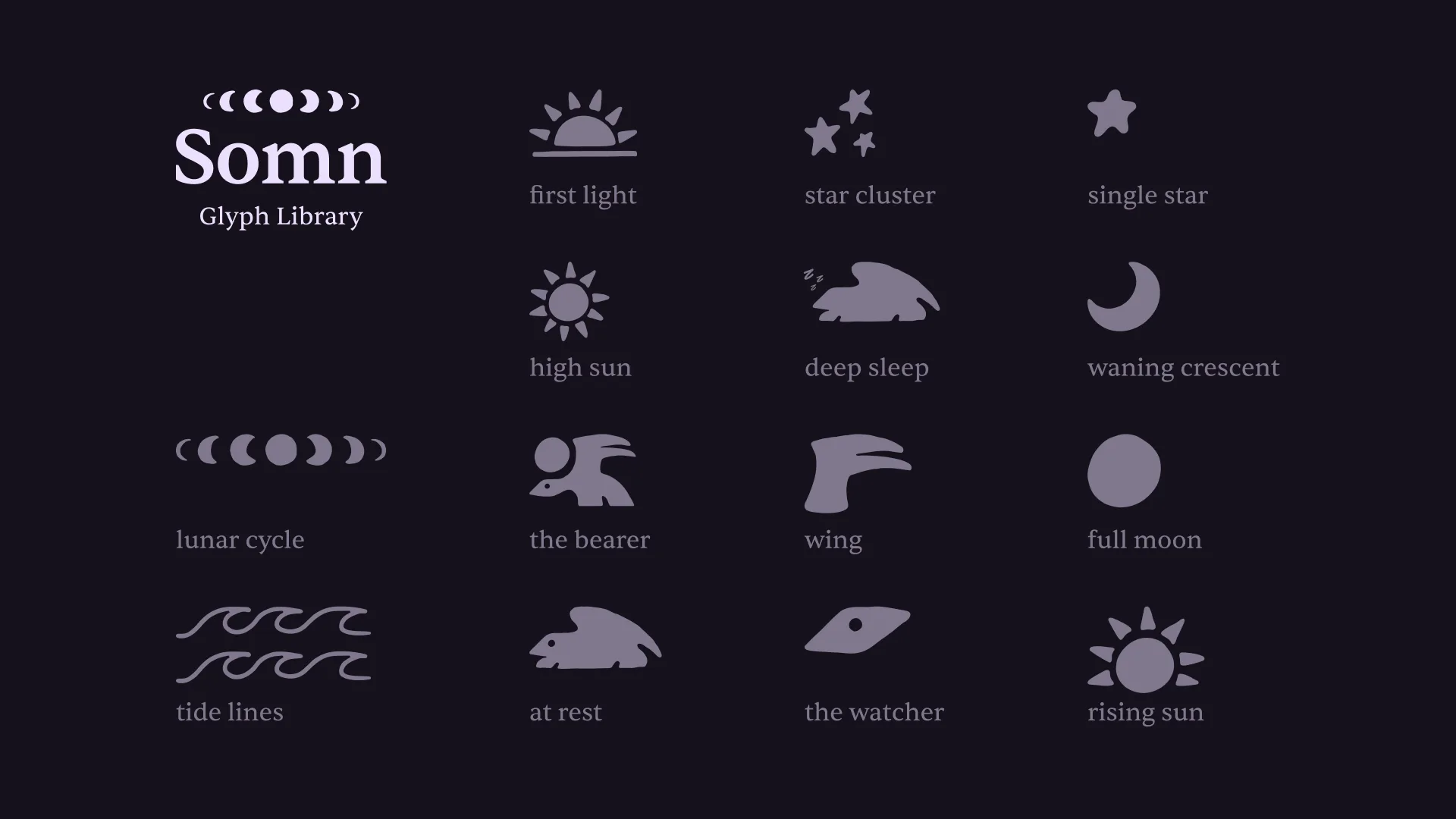
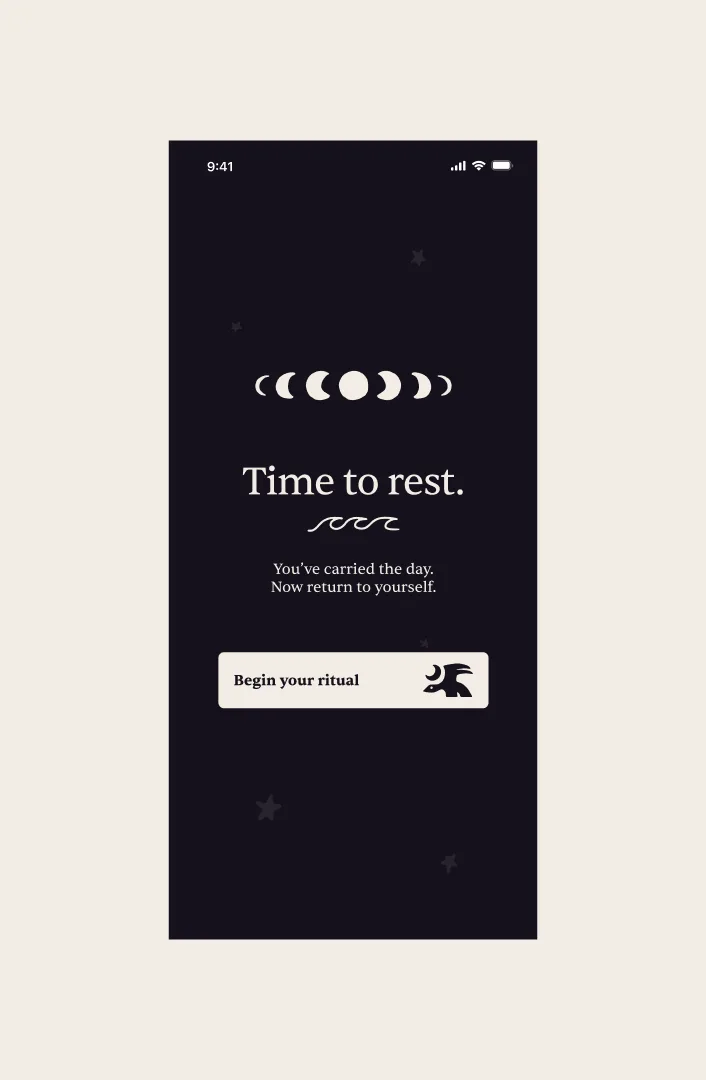
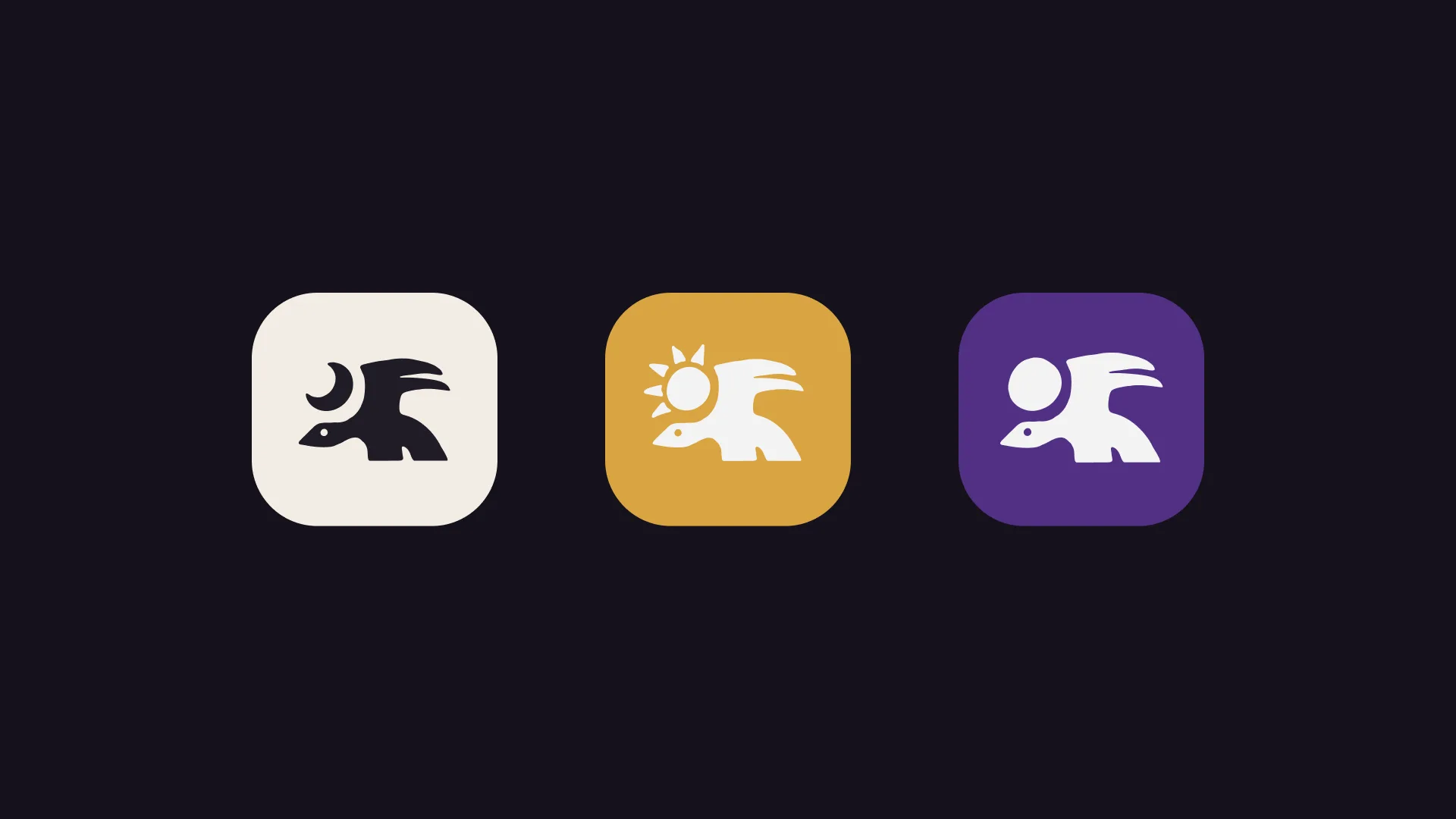
Somn began as a drawing with no brief: a creature carrying a sun or a moon above its head. The day and night cycle pointed to sleep, so the brand became a sleep ritual app, named after Somnus, the Roman god of sleep.
It all runs on night and day: aubergine black, warm cream, amber gold for the sun, and glyphs drawn like the mark.
the CLEAR process
One process,
start to finish.
- 1
Collect
Right after you pay, you answer a detailed questionnaire about your product, your audience and where you want to go.
- 2
Locate
I study your answers and your competitors, then write the strategy every design decision comes from.
- 3
Explore
Moodboards, each one a different visual direction. You pick one before any logo is drawn.
- 4
Assemble
Logo concepts in that direction. You pick one, I refine it, then build the full system.
- 5
Release
Your guidelines go live on a private web page, with brand.md and all the files in every format.
"I had a few ideas in mind, and Sof did those, but also created a direction that was super fun and fit me very well."
 Liutauras, Founder of Branded Words
Pricing
Professional, without the agency price tag & faster.
One fixed price, no surprises. Pick one and tell me about your project.
Everything in Essential, plus:
- Strategy & competitor research
- 3 moodboards
- 3 logo concepts · 2 revisions
- Patterns & graphic language
- Complete web guidelines
- Launch kit & social assets
- Editable Figma toolkit
Custom
Want help with the whole launch? Brand, website, product, pitch deck. Tell me the goal and I'll scope it.
Custom
Let's talk- Illustrations
- Web design
- Web development
- Product design
- Product development
- Pitch deck
- Mockups
- Social media assets
- And more
You can select anything from this list. You can also send me an email to talk about your problem and I'll scope it.
"Exceptional value for money, and a result that perfectly captured what we wanted to do with the brand."
 Peter Egehoved, Founder of Doppia
Questions before you start? Send me a message.
When should a startup invest in branding?
As early as you can afford to do it properly, ideally before launch. A brand you keep for years gains value over time, while a wrong one gets more expensive to replace the longer it is out there. If the budget really is not there yet, focus on the product first and do it as soon as it is.
Do I need a logo before launching?
You need something, though it does not have to be final. Plenty of products launch with a wordmark set in a clean typeface and do fine. What hurts is launching with a mark people recognize as a template, because that reads as low effort before anyone has tried the product.
How much should an early-stage startup spend on branding?
Enough to get a mark you will not have to redo, and no more. For most bootstrapped and pre-seed companies that lands between a few hundred and a couple of thousand. Spending five figures before you have customers is usually premature. Here is what each price tier actually buys.
I'm pre-launch with no users yet, should I still wait?
If you can afford it, no. Pre-launch is the cheapest moment to get it right: nothing to replace, no impression to undo. If you can't afford it yet, launch with a clean wordmark and do it properly as soon as you can.
What if I already launched with a placeholder logo?
Then the sooner you switch, the better. Every channel it's on adds to the cost of changing it, and every week adds to the impression people already have.
Does 'invest in branding early' just mean spend more money early?
No. It means spend it once, at the right moment, instead of twice, once now badly and once later properly.